#Brazil UNESCO #world heritage sites
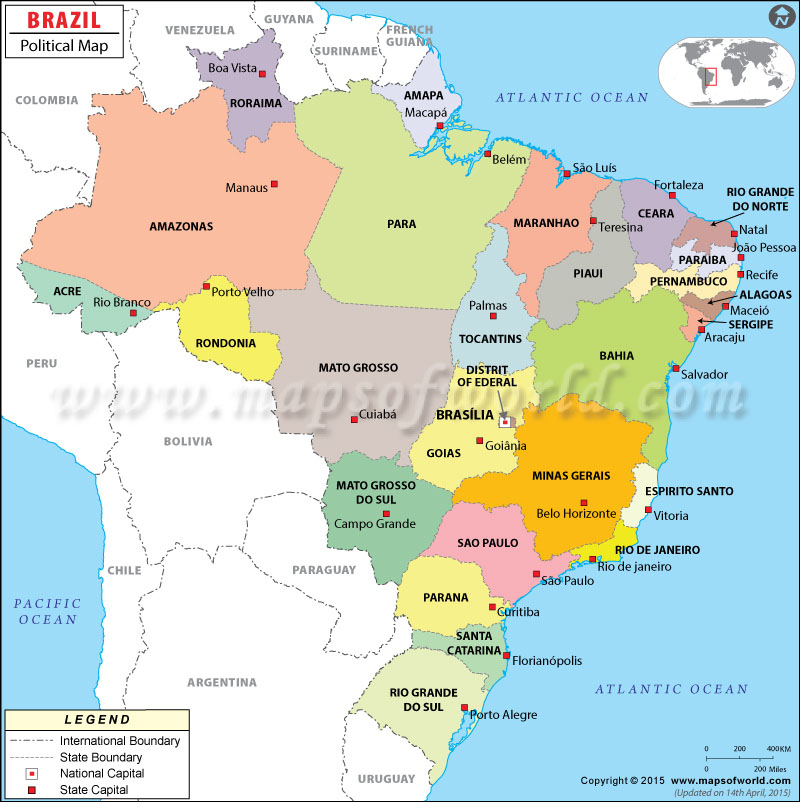
#Amazonas state [capital = Manaus]
#Largo de São Sebastião
in
#Manaus
at
#Rua 10 de Julho
#
Designed in Italian Renaissance style, it features a striking dome covered with 36,000 decorated ceramic tiles. The interior houses a grand auditorium with space for over 700 people, adorned with intricate frescoes, gold leaf decorations, and European chandeliers.
#Jau National Park
in
#Novo Airao
at
#Rua Antenor Carlos Frederico, 69 - Nossa Senhora Auxiliadora
#
It has two main areas: the Trombetas/Negro plateau and the lower western Amazon plateau. The higher area has hills with flat tops at 150 to 200 metres (490 to 660 ft) cut by valleys, while the lower area has altitudes of about 100 metres (330 ft). There are large areas of seasonally flooded land with poor drainage, and some permanent lakes.
#Bahia state [capital = Salvador]
#Historic Centre
of
#Salvador
see
#detail
#
The historic centre's main districts are Se, Pelourinho, Misericordia, Sao Bento, Taboao, Carmo and Santo Antonio. Pelourinho is characterized by its fidelity to the 16th-century plan, the density of its monuments and the homogeneity of its construction.
#Una Biological Reserve
in
#Maruim
at
#
Rodovia Ilheus km 45
#
This property contains great biological wealth and illustrates the evolution of the few remaining areas of Atlantic Forest in north-eastern Brazil. With a high rate of endemism and an evolutionary stage of great interest to science and conservation, its biodiversity reflects longstanding ties with the major forest ecosystems of the continent, now interrupted.
#Veracel Station
in
#Santa Cruz Cabralia
at
#
S16 10 0.00 W39 7 0.00
See above.
#Pau-Brasil National Park + Ecological Station
in
#Porto Seguro
at
#S16 30 0.00 W39 18 0.00
See above.
#Monte Pascoal National Park
in
#Porto Seguro
at
#Rua do Mamoeiro, 25
See above.
#Discovery National Park
in
#Prado
at
#Rua 04, 31 - Novo
See above.
#Espirito Santo state [capital = Vitoria]
#Vale do Rio Doce Natural Reserve
in
#Linhares, Vale
at
#Rodovia BR-101, Km 121
See above.
#Sooretama Biological Reserve
in
#Linhares
at
#Rodovia BR-101, Km 101
See above.
#Goias state [capital = Goias]
#Emas National Park
in
#Mineiros
at
#Rodovia GO 206, s/n - Chapadao do Ceu
#
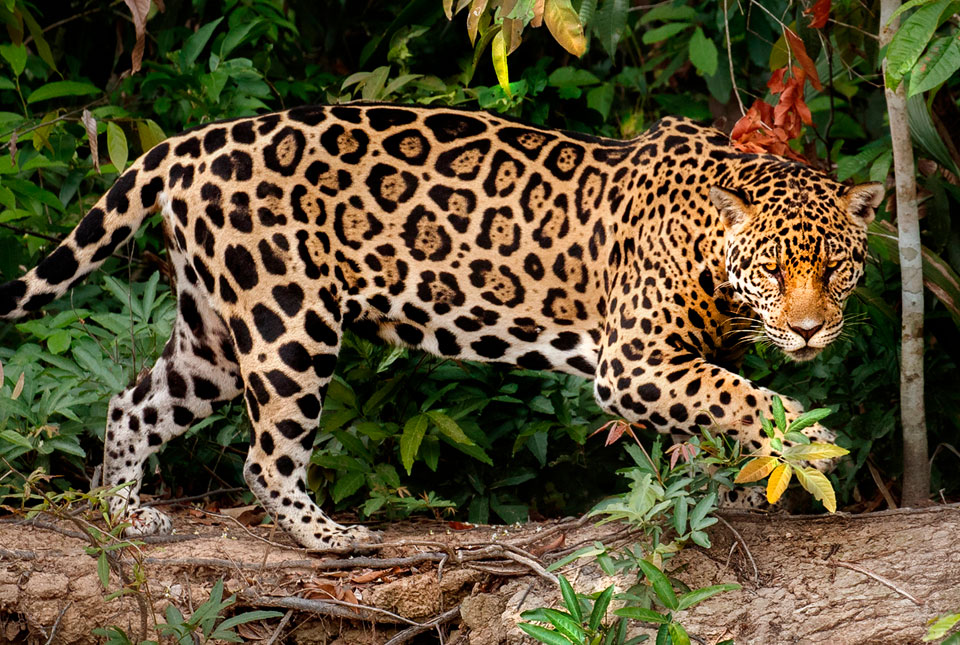
Emas National Park shows a typical cerrado ecosystem; a treeless savannah with tall termite houses and an interesting amount of wildlife: the giant anteater, the maned wolf, giant armadillo, pampas deer and the namesake greater rhea, among others. Emas National Park also holds a small Jaguar population, perhaps consisting of about 10-12 animals. Only about 40% of the reserve, which covers 1,320 square kilometres (510 sq mi) in total, is good Jaguar habitat. Other larger mammals include puma, ocelot, Brazilian tapir, collared peccary, white-lipped peccary, marsh deer, red brocket, gray brocket, black howler monkey and capybara.
#Historic Centre
of
#Goias
see
#detail
#
The urban layout is an example of the organic development of a mining town, adapted to the conditions of the site. Although modest, both public and private architecture form a harmonious whole, due to the coherent use of local materials and vernacular techniques.
#Chapada dos Veadeiros National Park
in
#Alto Paraiso de Goias
at
#Rodovia GO 239, Km 36 - Vila de Sao Jorge
#
Chapada dos Veadeiros National Park is noted for its waterfalls. Those which range from 80 to 120 meters include the Corredeiras, Cannyon I, Cannyon II, the Carioquinhas Waterfall and the Jardim de Maitreya.
#City
of
#Brasilia
on
#Monumental Axis (Prassa do Cruzeiro till Prassa dos Tres Poderes)
#
The city's planning is noteworthy for the remarkable congruence of Lucio Costa's urban design (the 'Plano Piloto') and Oscar Niemeyer's architectural creations, most powerfully reflected in the intersection between the monumental and thoroughfare axes, which stands as the determining factor of the city's urban scheme and underscores the representative character of Three Powers Square (Praca dos Tres Poderes) and the Esplanade of the Ministries (Esplanada dos Ministerios), also manifest in the geometry of the National Congress and in the new approach to urban living embodied in the Neighborhood Units (Unidade de Vizinhanca) and their corresponding Superblocks (Superquadras).
#Maranhao state [capital = Sao Luis]
#Historic Centre
of
#Sao Luis
at
#Praia Grande
#
The singularity of the construction techniques employed is expressed in the elegance of the traditional Portuguese azulejos tile work applied both as insulation and decoration; in the modulated use of occupied and empty spaces reinforced by crafted stonework; and in the sharp contrast between the dense ornamentation of the fassades overhanging the streets and porches that open wide from side to side into interior patios, lined by a continuous series of venetians, lattices, and frames.
#Lençóis Maranhenses National Park
in
#Barreirinhas
at
#S2 32 12 W43 3 49
#
Along an 80 km coastline, with beaches followed by plains, the prevailing winds shape the dunes into long chains of barchans, filled in the rainy season to create lagoons of various colours, shapes, sizes and depths. The property reveals its best scenery when the lagoons reach their maximum volume, creating rare beauty.
#Mato Grosso state [capital = Cuiaba]
#Pantanal Conservation Area
in
#Porto Jofre
at
#Pocone
#
It includes four contiguous protected areas, namely the Pantanal Matogrossense National Park and three adjoining private reserves (Doroche, Acurizal and Penha). Although it covers only a small part of the Pantanal it includes the most spectacular and diverse area, where permanent waters, flooded savannas and the dry Amolar Mountains converge.
#Mato Grosso do Sul state [capital = Campo Grande]
#Pantanal Conservation Area
in
#Corumba
at
#Estrada Parque
See above.
#Minas Gerais state [capital = Belo Horizonte]
#Peruaçu National Park
in
#Januária
at
#155, BR-135, s/n - Fabião I
#
Located in northern Minas Gerais and featuring dramatic karst landscapes, vast caves, and rich biodiversity, the park’s horizontal cave systems, formed in carbonate rock, reveal striking speleothems, collapsed dolines, limestone arches, and underground rivers.
#Historic Centre
of
#Diamantina
at
#Praça Conselheiro Matta
#
The Baroque architecture differs from that of other Brazilian towns in being of wood, and is distinguished by its geometry and details indicating transference on a modest scale of Portuguese architectural features. Churches have similar colours and textures as civil buildings, and most have only one tower. The regularly aligned 18th and 19th century semi-detached houses with one or two floors are painted in bright colours on a white ground, and contrast with the grey flagstone paving of the streets.
#Modern Ensemble
in
#Pampulha
at
#Pampulha Lake
#
The Ensemble reflects the way principles of modern architecture that had evolved in the first decades of the 20th century were freed from rigid constructivism and adapted organically to reflect local traditions, the Brazilian climate and natural surroundings.
#Historic Town
of
#Ouro Preto
on
#rua Pacifico Homem
#
Along the original winding road and within the irregular layout following the contours of the landscape lie squares, public buildings, residences, fountains, bridges and churches which together form an outstanding homogenous group exhibiting the fine curvilinear form of Baroque architecture.
#Bom Jesus Sanctuary
in
#Congonhas
at
#Praça do Santuário, S/n - Centro
#
Dating from the second half of the 18th century, the church with its magnificent Italian rococo interior is a masterpiece of the Baroque style reflecting in its architecture and ornamentation the transition period in which it was built. The soapstone statues together with the polychrome wooden sculptures depicting scenes of Christ's Passion housed in the chapels stand as a crowning achievement of the creative genius of Francisco Antonio Lisboa, Aleijadinho, who bequeathed to humanity a truly impressive body of work.
#Para state [capital = Belem]
#Theatro da Paz
in
#Belém
on
#Praça da República
#
Theatro da Paz was built following neoclassical architectural lines, within the golden age of rubber in Amazon Basin.
#Parana state [capital = Curitiba]
#Lauraceas State Park
in
#Tunas do Paraná
on
#
BR-476
#
Integral conservation unit with approximately 27,524ha of dense rainforest and mixed rainforest. It is one of the best preserved parks in the state of Paraná. Mountainous area, has numerous caves. The fauna, like the vegetation, is quite diverse, featuring endangered species, such as the purple-breasted parrot and the jaguar.
#Serra da Graciosa Turistical Preservation
in
#Quatro Barras
on
#
Graciosa Road PR-410
#
It is a 22 km path that connects to the town of Morretes, almost completely paved in stones collected by slaves between 1625 and 1654. The trail is surrounded by lush vegetation, with rivers, waterfalls, mountains and valleys.
#Pico do Marumbi State Park
in
#Morretes
on
#Estrada das Prainhas
#
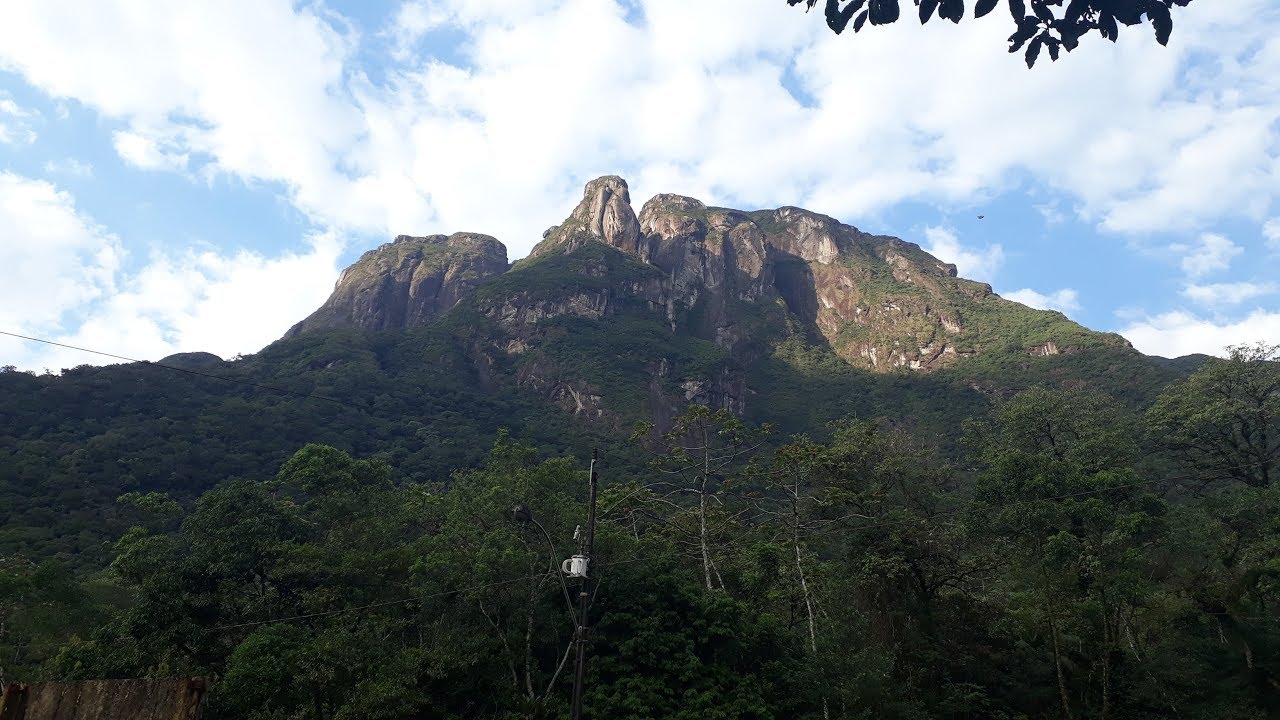
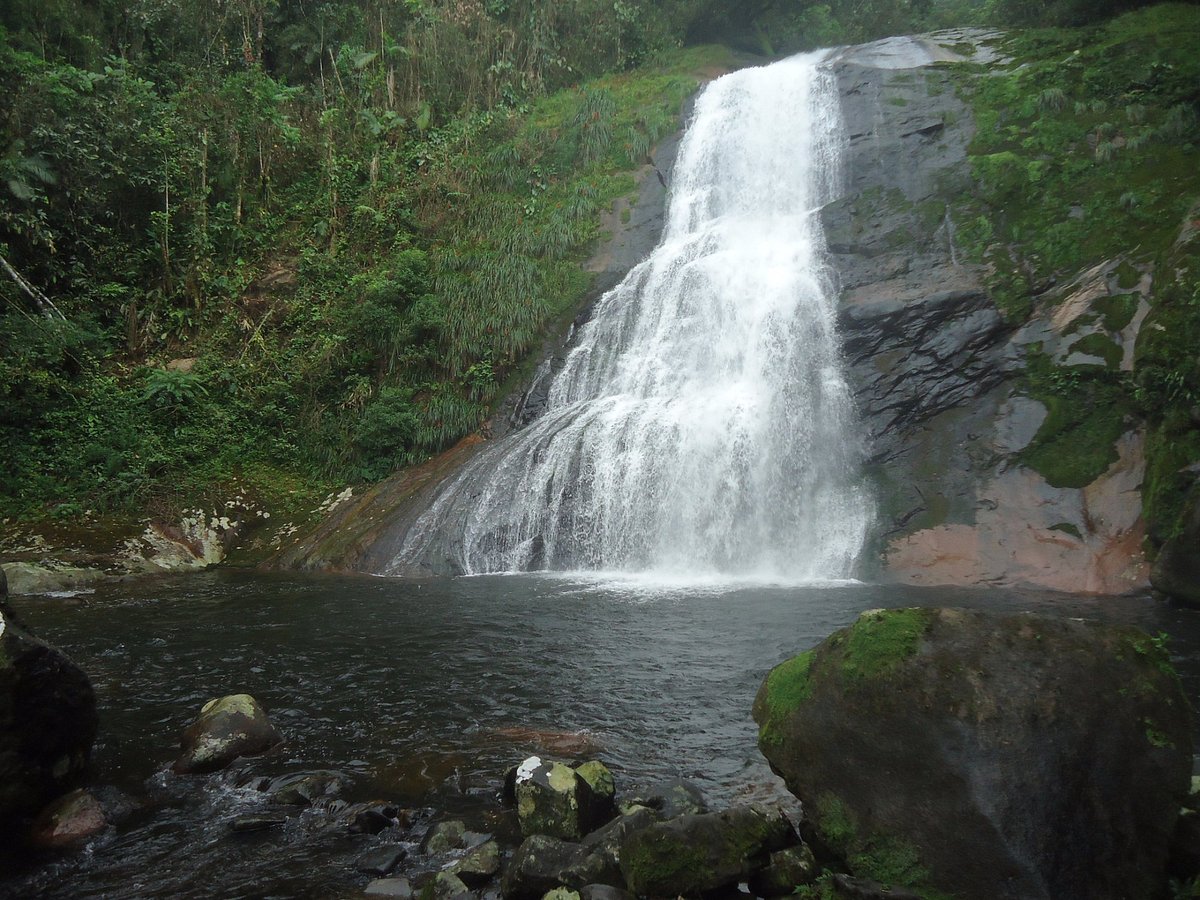
An easy 30 minute walk from the park base leads to the Rochedinho, at 630 metres (2,070 ft) above sea level. This gives a view over the Paranaguá and Antonina bays and the Serra do Mar. The Marumbinistas Waterfall is a 50 metres (160 ft) fall on the Taquaral River, which has several natural pools where visitors can bathe.
#Pau Oco Turistical Preservation Zone & State Park
in
#Morretes
on
#Estrada do Mundo Novo do Nhaia
#
The park contains the Salto da Fortuna, a waterfall that may be reached by a trail taking about four hours round trip. The fall is 50 metres (160 ft) high and has a large natural pool at its base where visitors may bathe. A local guide is required. The trail is of medium difficulty, crosses rivers, and includes sections and ruins of the old Arraial Colonial Route, now replaced by BR-277. The Arraial Colonial Way was opened between 1586 and 1590. There is an old chapel used by the miners of that time to request protection on their expeditions into the Serra do Mar.
#Roberto E Lange State Park
in
#Morretes
#
As of 2016 the park was not open to visitors.
#Honey Island State Park
in
#Paranagua
at
#Ilha do Mel
#
The highlights of Ilha do Mel are the Gruta das Encantadas, the Lighthouse of Conchas and the Fortress of N. S. dos Prazeres, all open to public visitation.
#Ecological Station
in
#Paranagua
at
Guaraguacu
The reserve area contains ecosystems of relevant scientific value, which must be preserved in their entirety, and may be objects of biological and ecological research or studies, not involving tourism or recreational activities.
#Salto Morato reserve
in
#Guaraquecaba
on
#Estrada Pr 405
#
It includes alluvial, submontane, montane and high montane formations. It also protects landscapes of rare beauty, such as the Garacui and Morato mountains and the Salto Morato waterfall, with a height of about 120 metres (390 ft) It is home to a significant number of endemic species of birds. 646 vascular plant species have been identified as well as 93 mammal species, 325 bird species, 36 reptile species, 61 amphibian species and 55 fish species. The reserve is part of the Lagamar Mosaic of conservation units. Researchers have found two new species of fish and a new species of three-toed frog. There is a 100-year-old fig tree, the Figueira do rio Engenho, whose roots form a natural bridge over 6 metres (20 ft) of the Ingenio River.
#Ecological Station
in
#Guaraquecaba
at
R. Paulo Miranda, nº 10
#
The unit covers areas of mangroves to the west of the Baia dos Pinheiros, to the north of the Baia de Guaraquecaba and to the west of the Enseada do Benito, as well as the islands of Laranjeiras, Rabelo, Pavoca, Sambaqui, Bananas and Galheta.
#Superagui National Park
in
#Guaraquecaba
at
#Ilha do Superagui
#
With the creation of Superagui National Park in 1989, a total of 33.988 hectares became protected, including other small islands such as Ilha das Peças, Ilha de Pinheiro, Ilha do Pinheirinho and some contiguous continental areas like the Rio dos Patos and Canal do Varadouro.
#Iguazu National Park
in
#Foz de Iguazu
at
#Puerto Iguazu
#
The most spectacular sightseeing of the park is the Iguazu Falls, which form a 2,700m wide semicircle, while the water falls from a height of 72m. The number of waterfalls ranges from 150 and 300 depending on the Iguazu river flow. Besides the exuberant waterfalls, there are other attractions such as rich fauna, the Poco Preto (the Black Well), the Macuco Waterfall, the Visitors Center, the Santos Dumont Statue, a homage paid by VASP (a defunct airline company) to the "Father of Aviation", who lent all his prestige and efforts in turning the falls area into a National Park.
#Pernambuco state [capital = Recife]
#Historic Centre
of
#Olinda
see
#detail
#
Olinda became a remarkable nucleus, first as an economic, architectural and artistic centre, and later as a centre for the renewal of ideas. The harmonious balance between its buildings, gardens, convents, numerous small passos (chapels) and about twenty baroque churches all contribute to the Historic Centre of the Town of Olinda's particular charm.
#Pernambuco island
#Atlantic Island
of
#Fernando de Noronha
at
#S3 51 28.6 W32 25 30.4
#
The main island, from which the group gets its name, makes up 91% of the total area; the islands of Rata, Sela Gineta, Cabeluda and Sao Jose, together with the islets of Leao and Viuva make up the rest. The central upland of the main island is called the Quixaba.
#Piaui state [capital = Teresina]
#Serra da Capivara National Park
in
#Sao Raimundo Nonato
at
#Rua Doutor Luiz Paixao, 188 * Milonga
#
Many of the numerous rock shelters in the Serra da Capivara National Park are decorated with rock paintings, some more than 25,000 years old.
#Rio de Janeiro state [capital = Rio de Janeiro]
#Carioca Landscapes
in
#Rio de Janeiro
see
#detail
#
The property encompasses all the key natural, structural elements that have constrained and inspired the development of the city. These stretch from the highest points of the mountains of the Tijuca National Park with its restored Atlantic forest, down to the sea, and include the Botanical Gardens established in 1808, Corcovado mountain, with its statue of Christ, and the chain of dramatic steep green hills, Sugar Loaf, Pico, Leme and Gloria, around Guanabara Bay, as well as the extensive designed landscapes on reclaimed land along Copacabana Bay which, together with Flamengo and other parks, have contributed to the outdoor living culture of the city.
#Sitio Roberto Burle Marx
in
#Barra Guaratiba
at
#Estr. Roberto Burle Marx 2019
#
By the end of the 1960s, the site housed the most representative collection of Brazilian plants, alongside other rare tropical species. In the site, 3,500 cultivated species of tropical and subtropical flora grow in harmony with the native vegetation of the region, notably mangrove swamp, restinga (a distinct type of coastal tropical and subtropical moist broadleaf forest) and the Atlantic Forest.
#State Park
in
#Ilha Grande
at
#Avenida Nacib Monteiro de Queiroz, Vila do Abraao
#
The island is made up of mountains with small plains irrigated with dozens of streams of clear water, with pools, rapids and waterfalls. More than 90% of the park is covered by Atlantic Forest. There are also restingas, heaths and mangroves. The island has eight beautiful beaches, separated by section of rocky shore and cliffs that plunge into the sea. The surrounding marine habitat supports a rich marine life. There are archaeological remains of tools and middens from 3,000 years ago. Of more recent date there is an old lighthouse, aqueduct, dam and hydroelectric power plant, the ruins of two prisons, stone paths from the colonial era and several ruined farmhouses.
#Biological Reserve
in
#Ilha Grande
at
Praia do Sul
#
The reserve is open only for educational or research purposes. About half of the reserve is covered in dense Atlantic Forest, with many species of flora and fauna including parrots, otters, woodpeckers, shore birds, monkeys, armadillos, pacas and snakes. There is a rich variety of rainforest trees and large mangroves.
#Serra da Bocaina National Park
in
#Sao Jose do Barreiro
on
#Rodovia Estadual Francisca Mendes Ribeiro, s/n
#
Its vivid landscapes range from Coastal beaches spreading to Paratay and mountain inlands.
#Perpetual Defender's Fort
in
#Paraty
at
#Avenida Orlando Carpinelli, 440 - Pontal
#
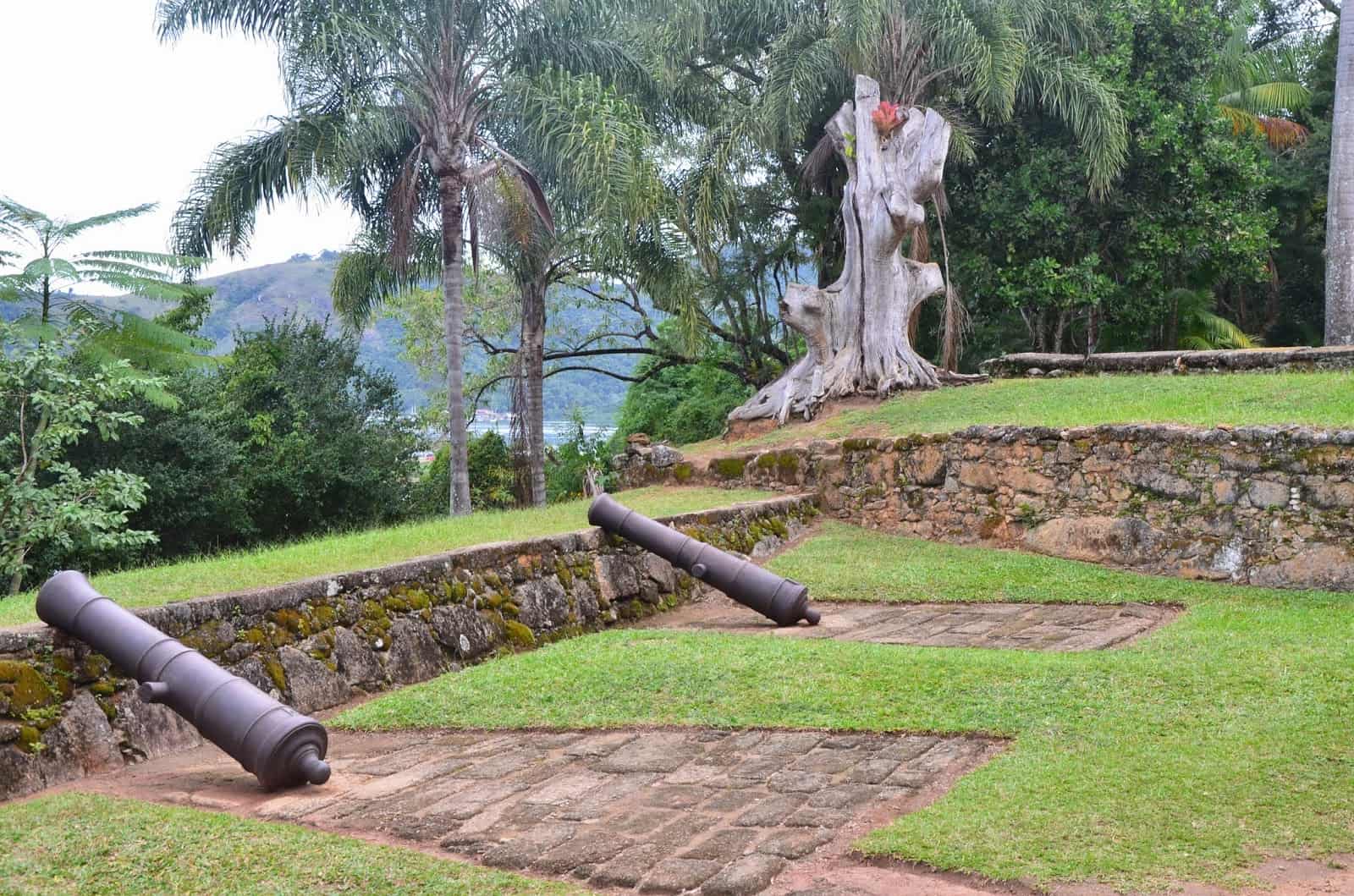
The Forte Defensor Perpetuo stood on the initial site of the city, at the top of the Vila Velha hill, from 1703 onwards. The court was interested in ensuring the defence of the city and of the route to Minas. The fort was part of a defensive curtain which included another six elements composed of small forts and batteries scattered across the islands and along the coast.
#Historic Center
of
#Paraty
at
#Rua Domingos Gonçalves de Abreu 111-145
#
In the late 17th century, Paraty was the end-point of the Caminho do Ouro (Gold Route), along which gold was shipped to Europe. Its port also served as an entry point for tools and African slaves, sent to work in the mines. A defence system was built to protect the wealth of the port and the town. The historic centre of Paraty has retained its 18th century plan and much of its colonial architecture dating from the 18th and early 19th centuries.
#Cairucu Environmental Protection Area
in
#Paraty
at
#R. Glauber Rocha, n 2077
#
The region includes an important remnant of the Atlantic Forest biome including the various transitions from coastal mangroves to humid tropical forest on the hillsides.
#Rio Grande do Norte state [capital = Natal]
#Atlantic Island
in
#Atol das Rocas
#
The atoll consists mainly of coral and red algae. The coral ring is almost closed, with a 200 metres (660 ft) wide channel on the North side and a much narrower channel on the West side. The atoll and surrounding waters are contained in the Atol das Rocas Biological Reserve. The reserve it is currently used solely for scientific research.
#Rio Grande do Sul state [capital = Porto Alegre]
#Jesuit Missions of the Guaranis
in
#Sao Miguel das Missoes
on
#Rua Sao Miguel
#
These are the impressive remains of Jesuit Mission settlements established in the 17th and 18th centuries on lands originally occupied by Guarani indigenous communities. In Brazil, the ruins of the Sao Miguel Arcanjo church constitute the most intact and complete structure among this period's designated heritage properties.
#Sao Paulo state [capital = Sao Paulo]
#Carlos Botelho State Park
in
#Sao Miguel Arcanjo
at
#Rodovia Nequinho Fogaca SP 139, km 78,4, s/n, Abaitinga
#
The vegetation is mainly montane and submontane rainforest. In the highest parts of the park there are small areas of dense high montane rainforest and alpine meadows on shallow and stony soils. There is dense lowland rainforest in the areas below 50 metres (160 ft).
#Ecological Station
in
#Ribeirao Grande
on
Xitue
#
It lies in the largest remnant of Atlantic Forest in the state, part of the Paranapiacaba ecological continuum. It is accessed through the Intervales State Park headquarters.
#Intervales State Park
in
#Ribeirao Grande
at
#Estrada Municipal, km 25
#
From the headquarters there are short and medium-length trails that give access to waterfalls, caves and belvederes, with stretches of forest in a good state of conservation. Visitors may engage in bird watching. From the Quilombo and Guapiriuvu bases there are trails with access to waterfalls and lookouts. The Chapel of Santo Inácio e Encanados on the border with the Xitué Ecological Station is of historical and cultural interest.
#Alto Ribeira Touristic State Park
in
#Iporanga
at
#Rodovia SP-165, Km 156
#
The park has one of the largest concentrations of caverns on the planet — more than 4300 — in a region of untouched Atlantic forest covering mountains and ridges. This natural heritage site is made up of palaeontological, archaeological, and historical sites, not to mention the extreme biodiversity and speleological richness to be found in the region.
#Jacupiranga State Park
in
#Jacupiranga
on
#Rodovia SP-193
#
When the park was created in 1969 the residents could no longer legally practice sustainable farming and extraction of forest resources, leading to land use conflicts, which mounted as the BR-116 highway opened the park to squatters from elsewhere. Eventually, in 2008 the park was combined with surrounding territory and broken up into three smaller state parks and various other units in which sustainable development was allowed.
#Abaixo (Campina do Encantado) State Park
in
#Pariquera-Acu
at
#
Estrada da Fazenda Ouro Verde | Braco Preto
#
The park holds a peat bog over 6 metres (20 ft) thick. The name "Campina do Encantado" (Enchanted Field) is due to the peat generating methane gas which can burn with a flame shooting from the ground up to 80 centimetres (31 in) high.
#Serra do Itapitangui (e Mandira) Wild Life Zone
in
#Itapitangui
on
#
Sp-193
#
From mountains covered by dense forests, down to wetlands, coastal islands with isolated mountains and dunes, the area comprises a rich natural environment of great scenic beauty.
#Ilha do Cardoso State Park
in
#Cananeia
at
#
Avenida Beira Mar | Morro Sao Joao
#
It preserves a large area of Atlantic Forest on the Ilha do Cardoso, an island, and includes marshes and mangroves that form an important breeding area for marine life. Visitors may reach the island by boat and stay in one of the villages. They may visit the beaches or follow trails into the interior, where there are waterfalls and natural pools.
#Ecological Stations
in
#Iguape
at
Jureia-Itatins + Chauas
#
The Banhados de Iguape Ecological Station (ESEC) covers an area of 16,588.64 hectares (40,991.4 acres) of mangrove swamp in southern São Paulo Visits are only allowed for environmental education and for scientific research.
#Wild Life Zone
in
#Ilha Comprida
at
#
Av. Dois Ac Al Porto De Paranagua, 945
#
The Ilha Comprida Environmental Protection Area is in the Atlantic Forest biome, and contains restinga forest, dunes, beaches and mangroves. It is one of the last complexes of such ecosystems on the coast, a nursery of South Atlantic marine and terrestrial species, used by over 30 species of migratory birds, and the location of archaeological remains.
#Sergipe state [capital = Aracaju]
#Sao Francisco Square
in
#Sao Cristovao
on
#Praca Sao Francisco
#
It may be considered a remarkable symbiosis of the urban planning of cities of Portugal and Spain. Relevant civil and religious institutional buildings, the main one being the complex of the Church and Convent of Sao Francisco, surround the square.