#French coal mining UNESCO #world heritage sites
#Enquin-les-Mines / Marles-les-Mines section
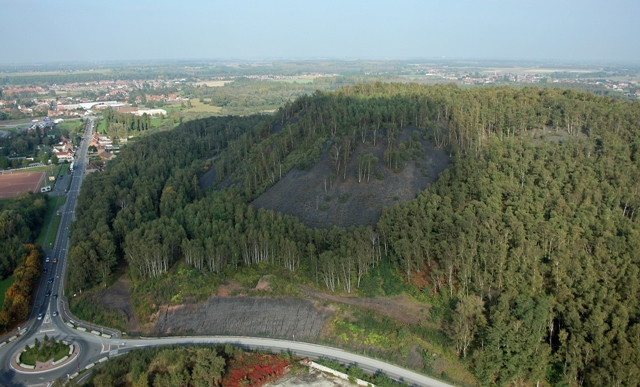
Slag heap 244
in
#Enquin-les-Mines
at
23 Rue de la Fosse 1
Slag heap.
Slag heap 31 + 32
in
#Estree-Blanche
at
20 Rue du Transvaal
Slag heaps.
Slag heap 34
in
#Auchy-au-Bois
at
2 Rue de l'Epinette
Slag heap.
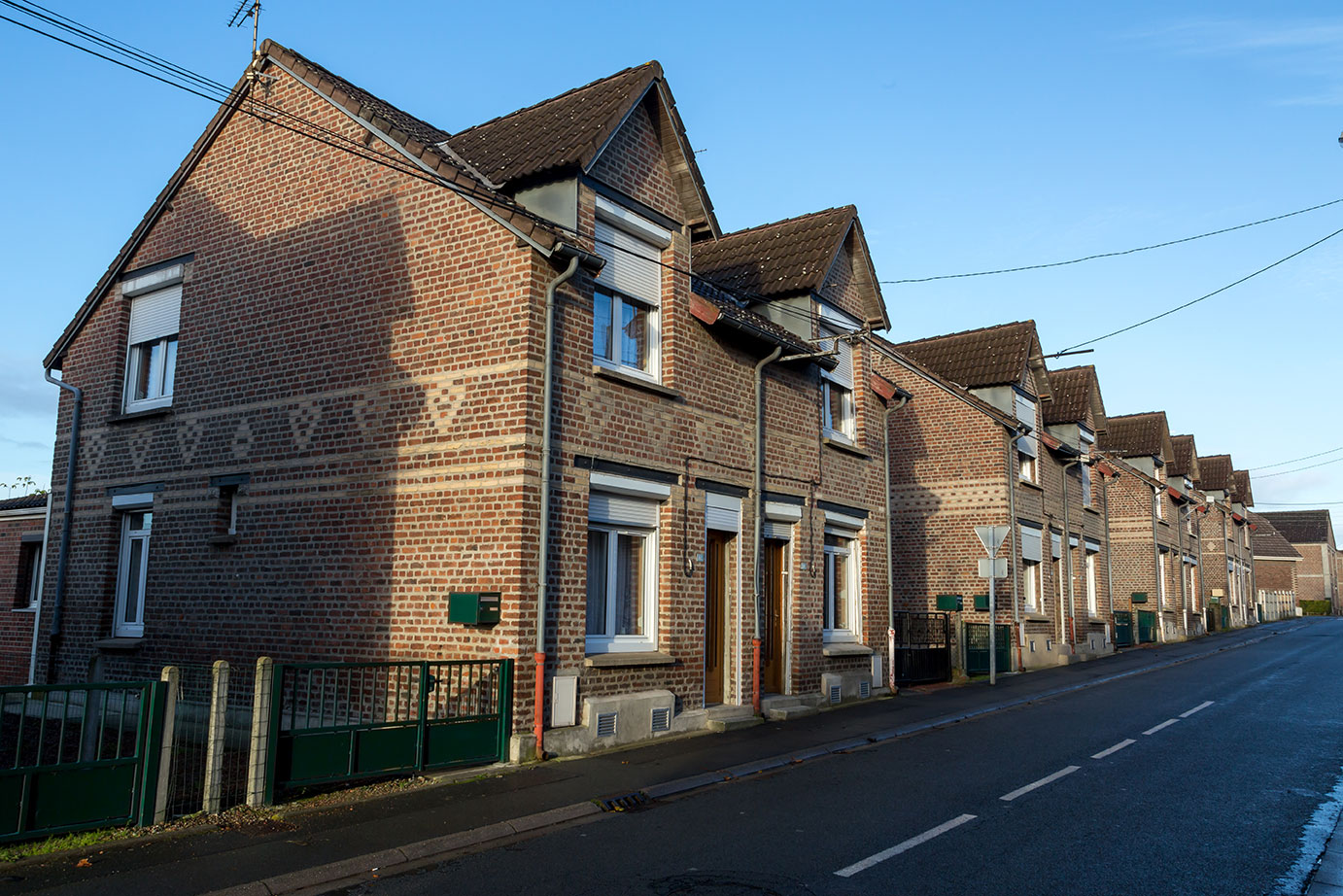
Rimbert housing estate
in
#Auchel
at
14 Rue Cambronne
Miners' accommodation.
War memorial
in
#Auchel
at
5 Rue Casimir Beugnet
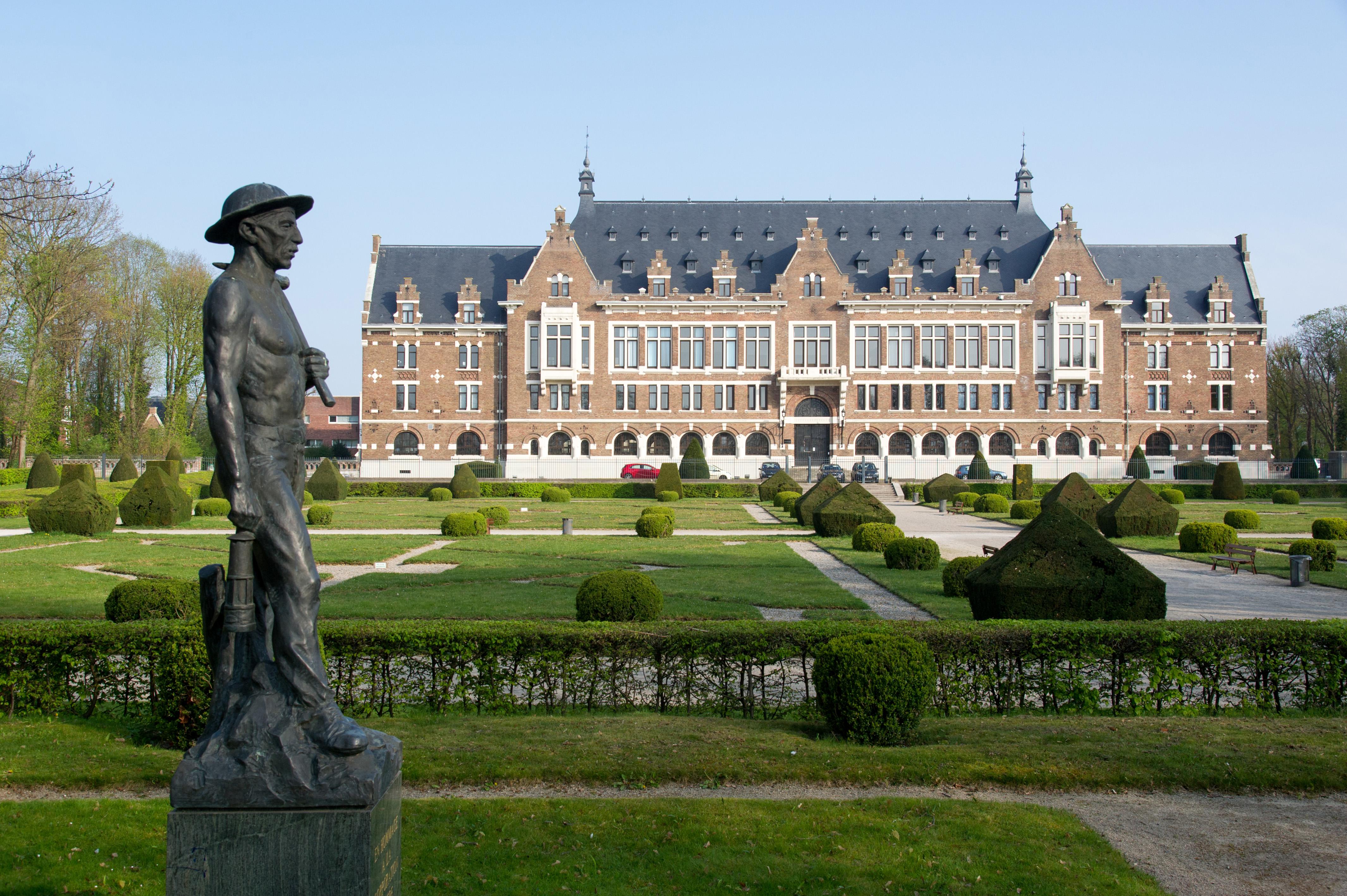
Located in a small garden, at the corner of rue Jean Jaurès and boulevard de la Paix, two sculpted groups follow one another: Humanity in mourning and Peace in the dark country.
Drop of milk building
in
#Auchel
at
39 Rue du General de Gaulle
#
The drop of milk intended to receive the visit of pregnant women as well as newborns was a dispensary of the Compagnie des mines de Marles.
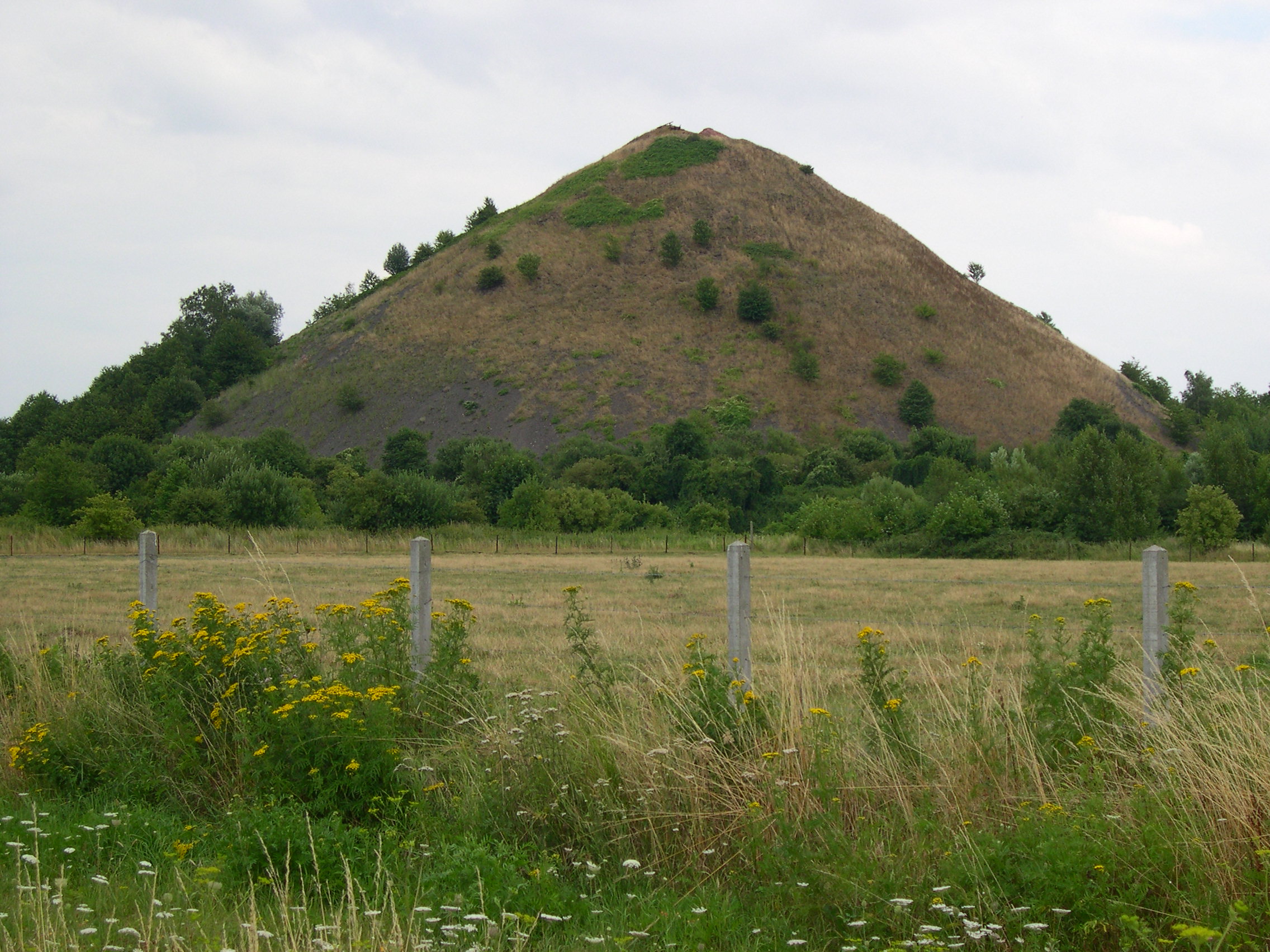
The heap 14
in
#Auchel
at
53 Rue d'Orleans
#
The heap culminates at 103 meters in height.
Headframe of the Old 2
in
#Marles-les-Mines
at
Rue Dure Veine
#
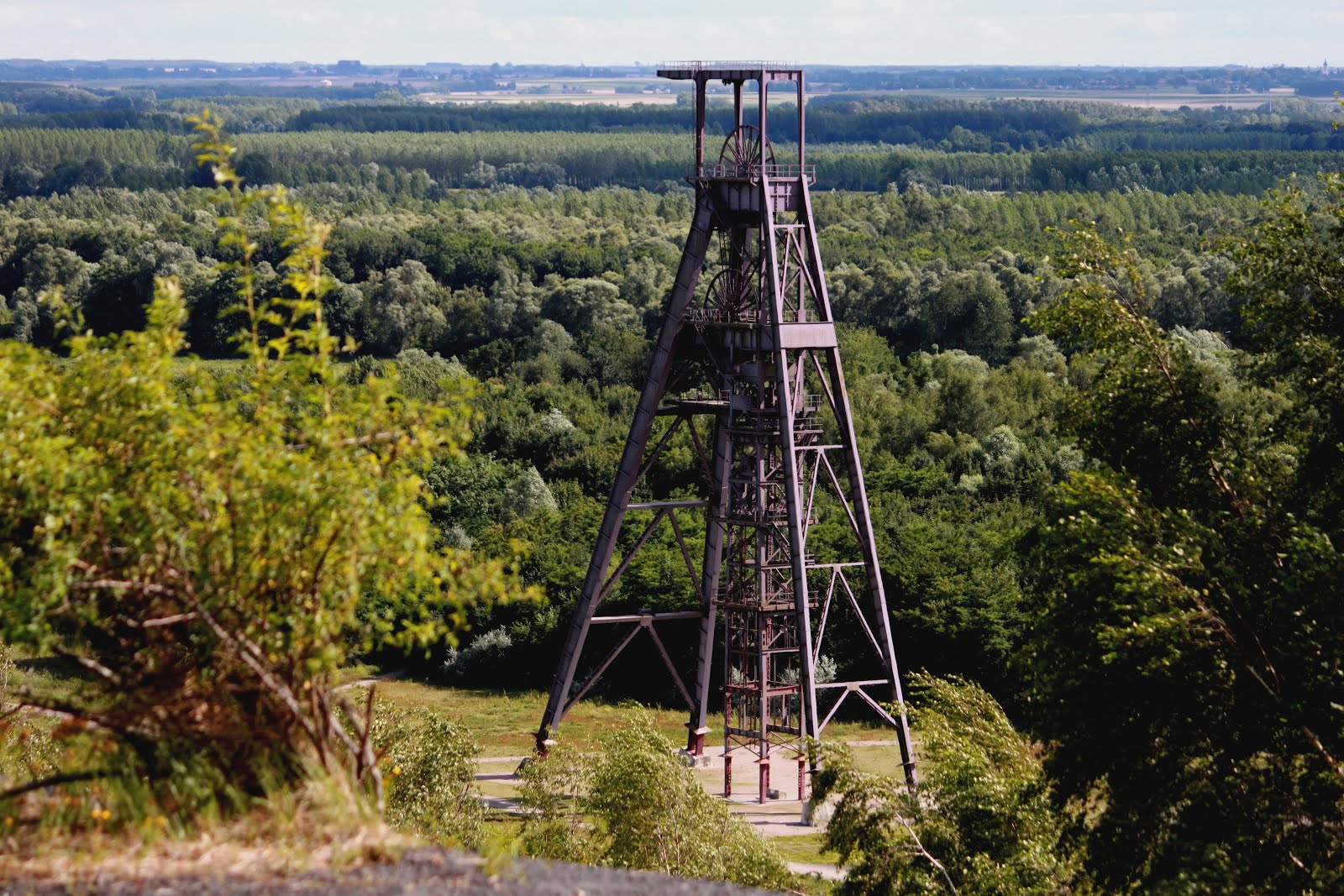
The Headframe of Old 2, a vestige of the No. 2 pit of the Compagnie de Marles, is the only headframe in the Bethune-Bruay region still preserved.
#Ruitz / Gosnay section
Twin slag heaps
in
#Ruitz
at
Rue de la Lampisterie
Slag heaps.
Housing estate of the victory and the trees
in
#Houdain
at
22 Rue du General Castelnau
Miners' accommodation.
Housing estate of the new world and the flowers
in
#Bruay-la-Buissiere
at
5 Rue de l'Equateur
Miners' accommodation.
Roger Salengro Parc
in
#Bruay-la-Buissiere
at
320 Rue Roger Salengro
#
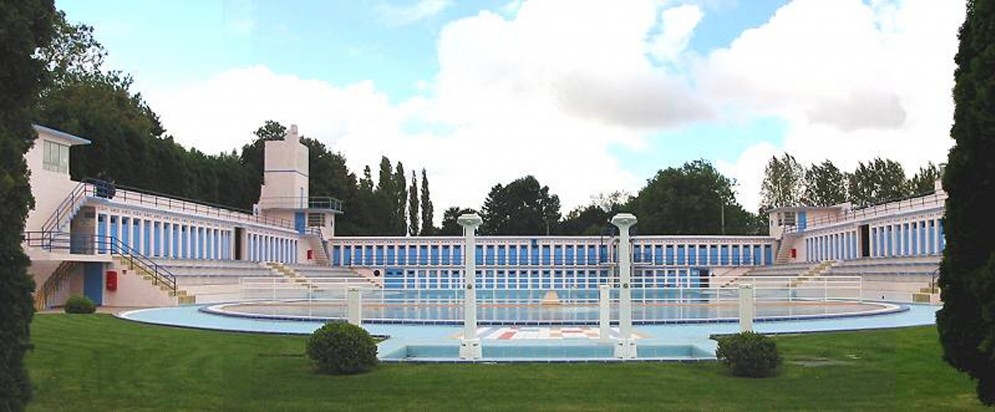
Located in the heart of the mining towns on the southern heights of the city, this complete set includes a swimming pool, a stadium and a park built between 1931 and 1936.
Housing estate from the musicians
in
#Bruay-la-Buissiere
at
116 Rue Chopin
Miners' accommodation.
Slag heap #10
in
#Bruay-la-Buissiere
at
343 Rue de Belle Vue
Slag heap.
Town hall
of
#Bruay-la-Buissiere
at
Place Henri Cadot
#
Town hall built in a neo-regionalist style of Flemish renaissance inspiration by the bruaysian architect Hanote in 1927, to respond to the increase of the population. In the stairwell is a set of stained-glass windows having for subject the pit 3 of the mines of Bruay, set made by the master glassmakers Labille and Bertrand, of Lille.
Housing estate Anatole France
in
#Bruay-la-Buissiere
at
28 Rue de Chatellerault
Miners' accommodation.
Charterhouse of the Ladies
in
#Gosnay
at
12 Rue des Dames
#
Located on the former Houilleres rider connecting Bethune to Bruay-La-Buissière, the Charterhouse of Mont-Sainte-Marie, known as the Ladies, was built by Mahaut d'Artois in 1328. From 1329 to 1791, the house welcomed several hundred nuns from the great seigneurial families of the region.
#Barlin / Benifontaine section
Housing estate #7
in
#Barlin
at
12 Rue de Sedan
Miners' accommodation.
Landscape and mining complex
of
#Barlin
at
Rue de Bruxelles
Miners' accommodation.
Housing estate of the sisters
in
#Barlin
at
2 Rue Chenier
Miners' accommodation.
Landscape and mining complex
of
#Nœux-les-Mines
at
401 Rue nationale
#
Heap No. 36, 1 + large offices + central workshop + pit cities no. 1 - 1
#9 of Bethune housing estate
in
#Annequin
at
15 Rue de Dinant
Miners' accommodation.
Auchy housing estate
in
#Violaines
at
8 Rue Watteau
Miners' accommodation.
Landscape and mining complex
of
#Auchy-les-Mines
#
Work on Mine 8 at Auchy-les-Mines began by the Compagnie des mines de Bethune in July 1891, and the mine was opened in November 1893. Shaft 8bis was started in November 1893.
Pit #5
in
#Billy-Berclau
at
10 Rue de la Fosse 5
#
Pit No. 5 of the Meurchin Mining Company was dug in 1904 to reach a depth of 395 meters. It will cease its activity of extraction in 1937 but will be maintained for the service and like return of air for a part of the works of the pit 3-4 on the commune of Wingles and this, until 1963, where it gives up any function . The well will be backfilled in 1965. The installations are preserved and the headframe is transformed into a tower for manufacturing lead shot.
Housing estates of the Station, the Bridge and the Sports
in
#Wingles
at
2 Rue Hector Berlioz
Miners' accommodation.
Headframe from pit 13 bis of the Lens mines
in
#Benifontaine
at
Chemin du Pire
#
The headframe of the pit No. 13 bis of the Lens mines is built of reinforced concrete in 1920 on a coal mine in the Nord-Pas-de-Calais mining area . It is distinguished from the other headpieces of the company by a unique style and very modest dimensions. The pit was never used for extraction, just for ventilation.
#Vermelles / Sains-en-Gohelle section
Housing estate #7 of Bethune
in
#Mazingarbe
at
5 Rue Bossuet
Miners' accommodation.
Heap 49
in
#Vermelles
at
153 Route nationale
#
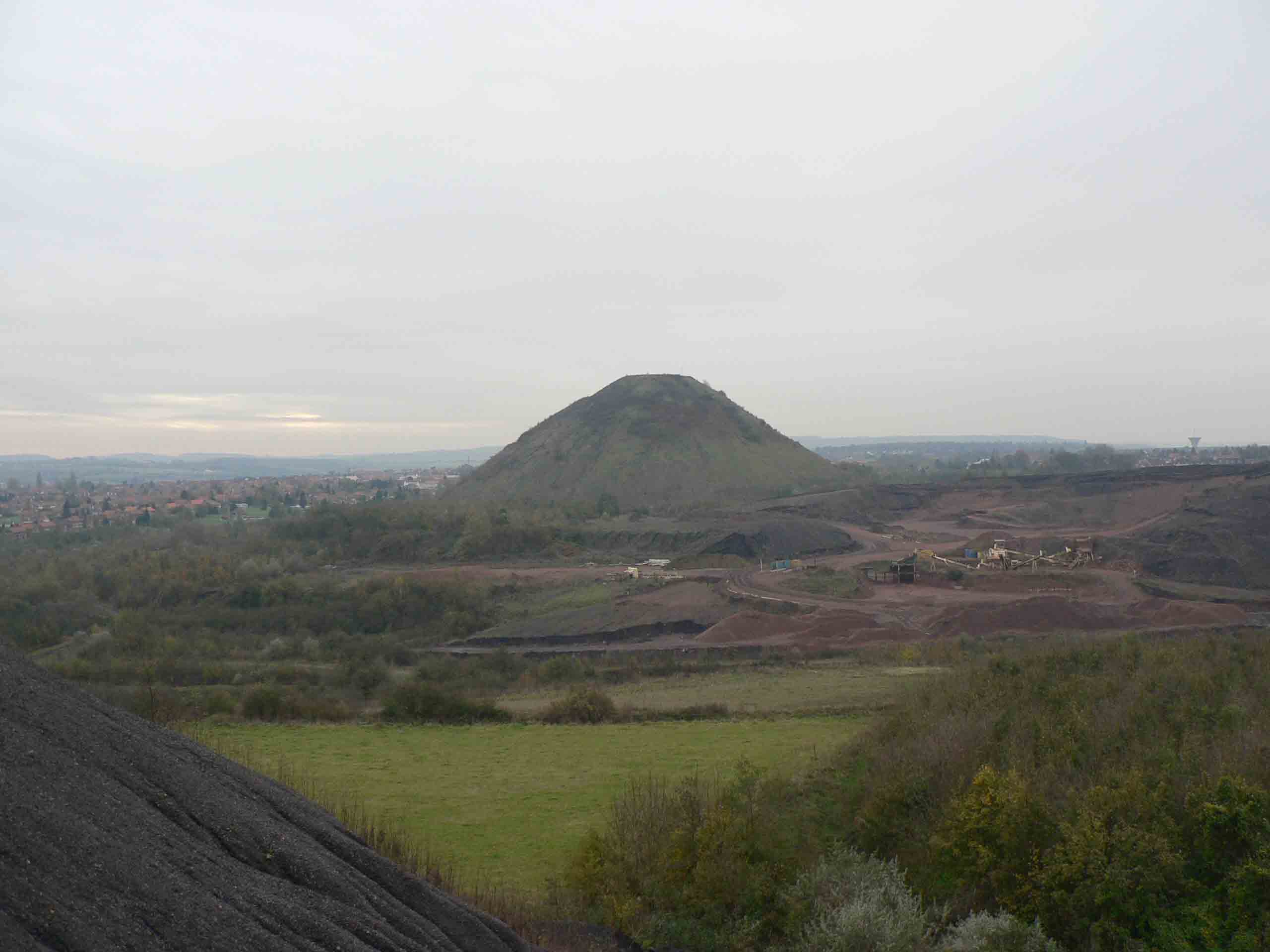
The heap no 49, 3 of Bethune, located in Mazingarbe and Vermelles, is the conical heap of the pit no 3 of the mines of Bethune. It has been fully preserved and is 73 meters high
Mercier Castle
in
#Mazingarbe
at
Boulevard des Platanes
#
Chateau Mercier is a patronal castle in the Nord-Pas-de-Calais mining area , built at the very beginning of the 20th century for the director general of the Compagnie des mines de Bethune Louis Mercier.
Housing estate #2
in
#Bully-les-Mines
at
10 Rue Gabriel Peri
Miners' accommodation.
War memorial
in
#Bully-les-Mines
at
66 Boulevard de la Loire
#
It is indexed in the base Mérimée, a database of architectural heritage maintained by the French Ministry of Culture.
Landscape and mining complex
of
#Grenay
at
Place Daniel Breton
#
Bordered by the Société de Secours Minière, the square hosts two blue stone tables bearing the names of cities and slag heaps.
Mining Relief Society dispensary
in
#Grenay
at
Rue Robespierre
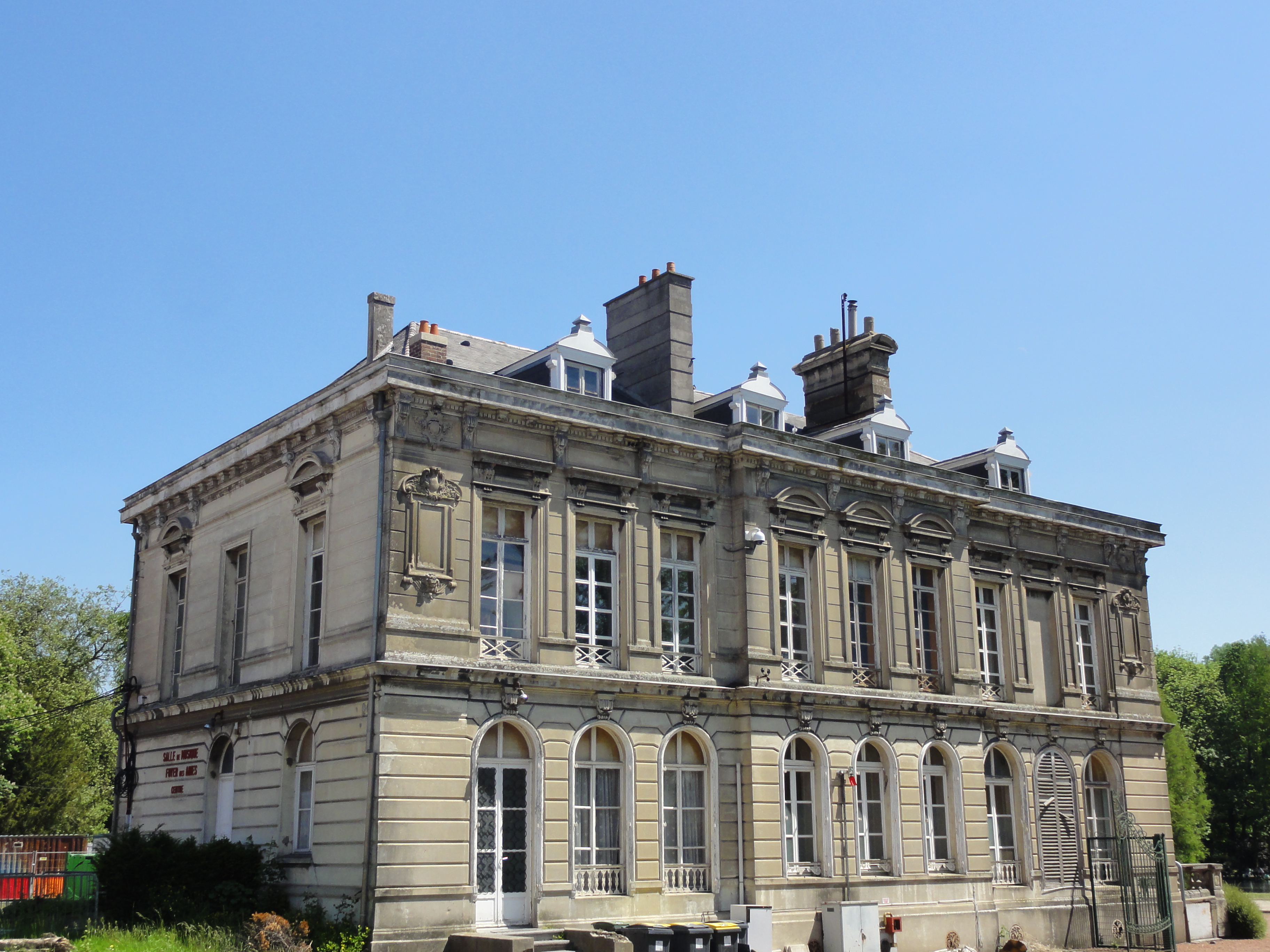
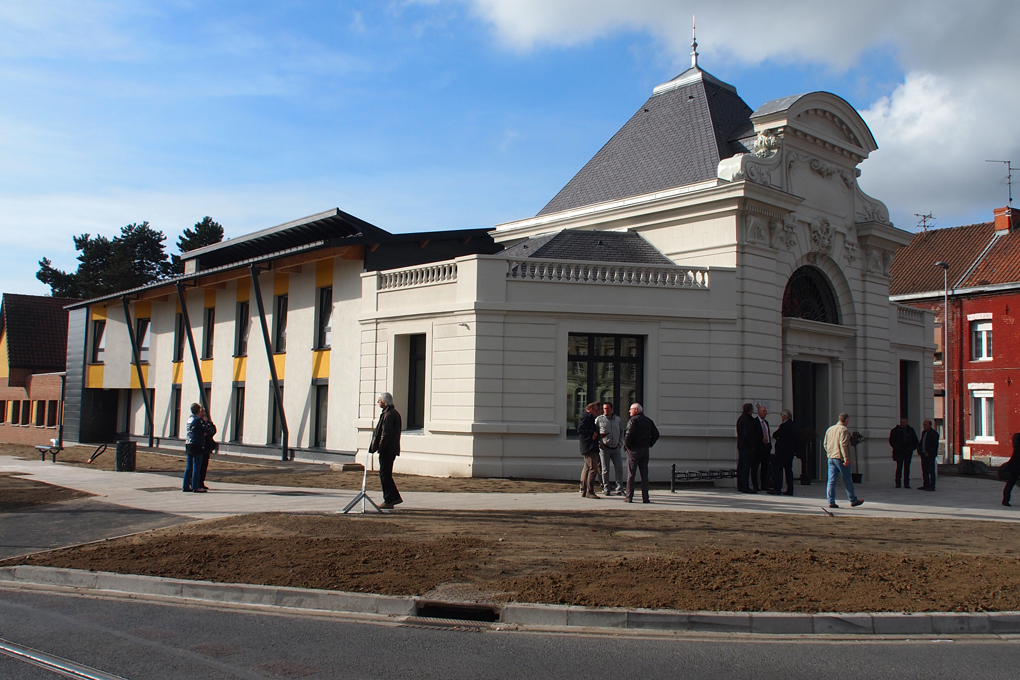
Planned in 1924 and built in the following years, the health center was officially opened in March 1932. Central element of medical device company of the Company covers all of the concession, together with a different unique specialists and allows crossing of information on the health of miners.
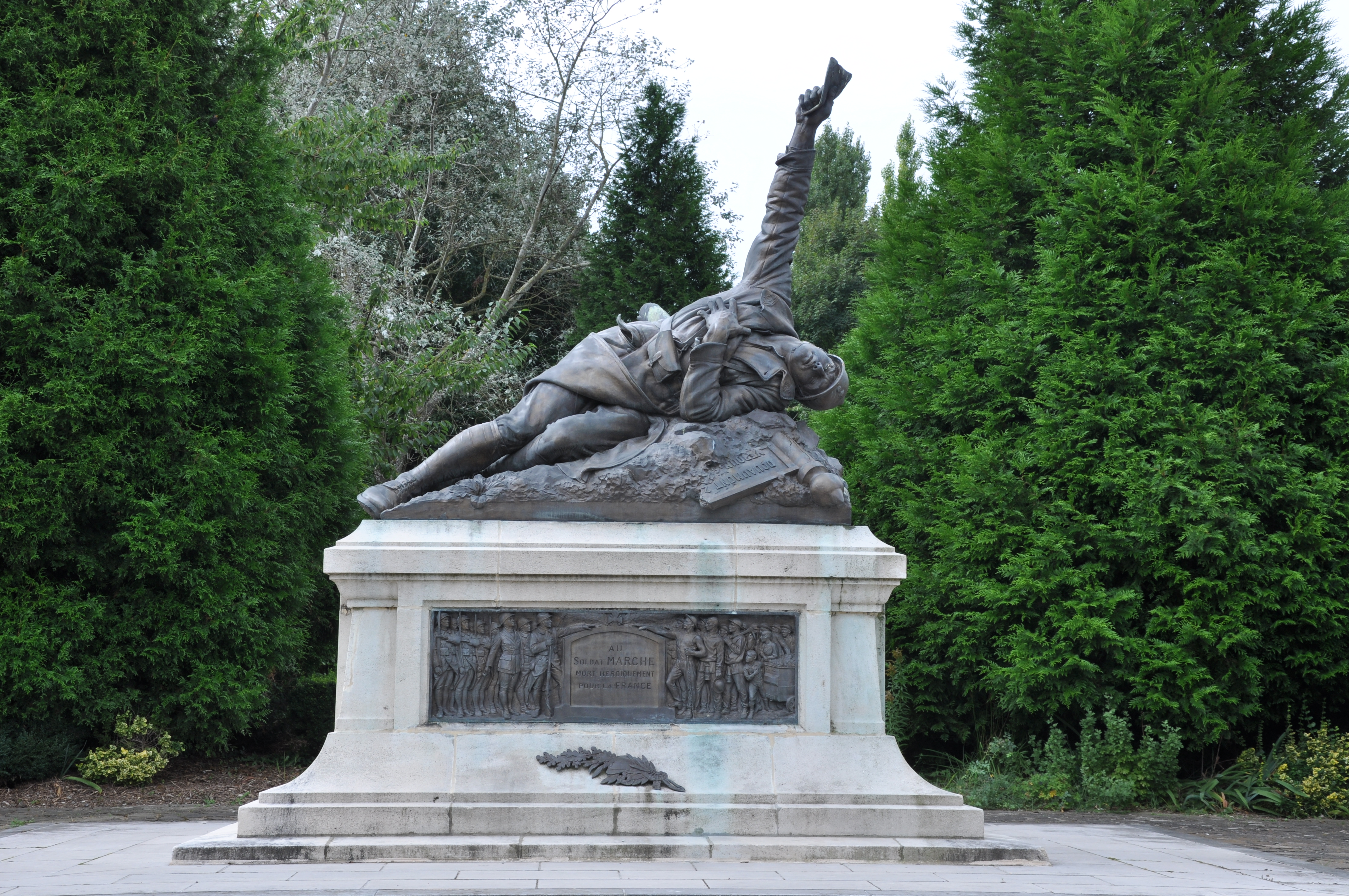
Monument to the soldier Fernand Marche
in
#Bully-les-Mines
at
83 Rue Fernand Marche
#
1916: on August 28, the heroism of Fernand Marche is brought to the attention of the troops by a relation to the order of the division: 'Marche Fernand Joseph Edouard, service number 1434, 2nd class soldier, liaison officer, volunteer for carrying a letter to his colonel, was killed on August 1, 1916, en route, his last thought being entirely his mission; the next runner found his body, his arm stretched in the air and his fingers clenched on the fold he was carrying '.
Housing estate #10
in
#Sains-en-Gohelle
at
2 Rue d'Avignon
Miners' accommodation.
#Lievin / Avion section
The headframe of the well #3 bis
in
#Lievin
at
Rue du Moulinage
The headframe of the well #3 bis of the Pit #3-3 bis of the mines of Lens of the Compagnie des mines de Lens was built in 1920 on this coal mine in the Nord-Pas-de-Calais mining basin in Lievin.
Framing of the well #1 bis
in
#Lievin
at
152 Rue des Freres Lumiere
#
Well No. 1 was dug in 1858 and production began in 1860. Well No. 5 became 1bis, dug in 1874, and served as a second exit to the surface and to put the work in good ventilation conditions at because of a strong presence of firedamp.
Protestant church
in
#Lievin
at
189 Rue Jean Baptiste Defernez
#
Located to the south of the former mining basin, its geographical area includes 13 municipalities, for a population of 90,000 inhabitants.
Large offices of the Lievin Coal Company
in
#Lievin
at
45 Rue Edouard Vaillant
This vast brick building housed the central, technical, accounting, financial and commercial services of the Societe Houillere de Lievin.
Heap 80 and Garennes housing estate
in
#Lievin
at
15 Rue François Coppee
Heap + miners' accommodation.
Small Woods housing estate
in
#Lievin
at
8 Rue Prud Hon
Miners' accommodation.
Landscape and mining complex
in
#Avion
at
Terril De Pinchonvalles
#
With its 1,750 km, the heap of Pinchonvalles is the longest in Europe. It takes the form of an elongated hill with a profile composed of three successive plateaus. It appears as an immense ocean liner stranded in the middle of the Gohelle plain. The slag heap is made up of a mosaic of habitats which gives it great ecological interest.
#Lens / Sallaumines section
Monument to Emile Basly
in
#Lens
at
8 Route d'Arras
#
Monument to the memory of the trade unionist and politician in the mining basin.
Railway station
in
#Lens
at
Place du General de Gaulle
#
The building was built in 1926–1927 to resemble a steam locomotive with a 23-metre-high (75 ft) tower as the chimney.
Central offices of the Lens Mining Company
in
#Lens
at
Rue Jean Souvraz
#
The Art-Deco Central Office buildings of the powerful Lens Mining Company are well worth a visit.
Union house
in
#Lens
at
32 Rue Casimir Beugnet
#
Built in response to the Courrières disaster of 1906, the Union House is an emblematic building of the workers' struggles of miners.
Housing estate of corons #2
in
#Lens
at
275 Route de Lille
Miners' accommodation.
War memorial 1914-1918
in
#Lens
at
74-78 Avenue Alfred Van Pelt
#
This monument does not express a romantic vision of war: the Poilu is present there but is neither the arrogant victorious or the exalted fighter of other monuments, he is simply vigilant and full of a determined resolution. The civilians, rarely represented on monuments, are not forgotten here and they are a mother and her daughter forced to flee, leaving the home with only a backpack and a broken doll.
Memorial to the Courrieres Catastrophe
in
#Sallaumines
at
Place Ferrer
#
The Courrières mine disaster, Europe's worst mining accident, caused the death of 1,099 miners in Northern France on 10 March 1906.
Deblock housing estate
in
#Sallaumines
at
4 Rue de Frevent
Miners' accommodation.
#Mericourt / Carvin section
The silo and the path of the survivors
in
#Mericourt
at
91 Rue V Sorriaux
#
The echo of what was the biggest French mining disaster continued throughout the century. For a long time, the commemoration of the memory of the 1,099 victims of Courrières takes place by being part of the territorial, social and political frameworks which structure the mining group.
Anchin housing estate
in
#Noyelles-sous-Lens
at
20-24 Rue d'Aubusson
Miners' accommodation.
Courtaine housing estate
in
#Noyelles-sous-Lens
at
25-36 Rue du 19 Mars
Miners' accommodation.
Mill housing estate
in
#Fouquieres-les-Lens
at
7 Rue de Strasbourg
Miners' accommodation.
Bellevue housing estate
in
#Harnes
at
1 Rue de Ligny
Miners' accommodation.
Camus haut
in
#Annay
at
41 Route nationale
#
In 1954, in order to speed up the construction process, the Coal Mines adopted the "Camus" process, named after the engineer who developed it. This process uses precast concrete panels in the factory. They are then assembled on site using cranes. In fourteen days, housing emerges from the ground.
Estevelles mining complex
in
#Estevelles
at
Avenue de la Fosse 24
3 Slag heaps + miner's housing estate.
Saint-Paul housing estate
in
#Carvin
at
Rue Bone
Miners' accommodation.
Town hall.
in
#Carvin
at
1 Rue Thibaut
#
The plans for the new building were drawn up by Benoît in 1930. The decorative works are the work of Moïse Massy, painter decorator. The stained glass windows represent two panels of miners leaving the mine and the harvest, allegorical subjects Liberty Equality, the portrait of Jean Jaures and the arms of the city.
#Libercourt / Drocourt section
Libercourt mining complex
in
#Libercourt
at
1 Allee de la Faisanderie
Slag heap + miner's housing estates.
Image mine
in
#Oignies
at
#68-72 Rue Emile Zola
#
The entire image mine located under the heap 115 A and around, with all of its underground and outdoor galleries and with its technical devices used to train miners.
Monument to Madame Declercq
in
#Oignies
at
1 Avenue Fernand Darchicourt
#
The monument was inaugurated for the first time in 1913 and was rebuilt in 1932, after the Great War, in the same aspect and with identical materials. It was intended to honor the generosity of the Châtelaine as well as to celebrate the discovery, on its initiative, of coal in the park of its domain, in 1841.
Pit # 9-9 bis
in
#Oignies
at
Chemin du Tordoir
#
At the Mine Museum, you will discover reconstructions of workcamps, period equipment and photos, archives and models of the northern pits. In the Mine and Railway Center, trains of all scales run on extraordinary circuits.
Cournault housing estate
in
#Evin-Malmaison
at
289 Rue Hector Berlioz
Miners' accommodation.
Pit # 8-8 bis
in
#Evin-Malmaison
at
La Fosse 8 de Dourges
#
The exploitation of pit # 8 begins in 1913. The activity stops during the Great war to resume only after dewatering of the sabotaged pits. The operating buildings were rebuilt in the 1920s. In 1923, the temporary installations intended to allow the resumption of work on well No. 8 and the sinking of well No. 8 bis to serve as air return were completed. In 1926 and 1927, completion of the assembly of the extraction machine for well no. 8, of its headframe and extraction building.
Foch housing estate
in
#Henin-Beaumont
at
408 Boulevard Notre Dame de Lorette
Miners' accommodation.
Drocourt mining complex
in
#Henin-Beaumont
at
122 Rue Edouard Duhamel
Slag heaps + miner's housing estates.
Parisean housing estate
in
Drocourt
at
Rue Haute
Miners' accommodation.
#Dourges / Roost-Warendin section
Bruno housing estate
in
#Dourges
at
59 Cite Bruno
Miners' accommodation.
Slag heaps # 87 & 92
in
#Dourges
at
Montage a coco, rue Emile Zola
The site attracts pioneer and xerophilic fauna typical of spoil heaps, some of which are decisive ZNIEFF such as Italian Cricket, the Calamite Toad and the Wall Lizard.
Crombez housing estate
in
#Noyelles-Godault
at
241 Rue de la Fosse 4
Miners' accommodation.
The Justice and the Mill housing estates
in
#Auby
at
Rue de Vouvray
Miners' accommodation.
Slag heap # 140
in
#Auby
at
Marais du Vivier
Slag heap.
Headframe of the pit # 9
in
#Roost-Warendin
at
2301 Rue des Molettes
#
Work on well No. 9 began in 1909 at Roost-Warendin by the freezing process for a diameter of five meters which was to serve as ventilation for wells Nos. 1 and 3, respectively located 1,160 meters south-southeast and 1,795 meters southwest. A snap is established at 206 meters and another at 227 meters in December 1909. In 1919, the well was deepened to 410 meters. A modern extraction building with a 1000 horsepower extraction machine is built.
Belleforiere mining complex
in
#Roost-Warendin
at
Terril De Roost Warendin
Slag heaps + miner's housing estate.
#Anhiers / Masny section
#2 Pit of Flines
in
#Anhiers
at
143 Lotissement du Moulin
#
A wash house, a screening plant and a ball factory are installed on the site. The two pits were put into communication on December 1, 1905. The pit was the only one to be extracted from 1914, it was then destroyed during the First World War. It was rebuilt, notably with a reinforced concrete headframe, but the Compagnie de Flines was bought out on January 13, 1922 by that of Aniche. From then on, she ensured the ventilation of the Bernard pit, located in the hamlet of Frais-Marais in Douai.
Suburban housing estates of Solitude, Ferronniere, Saint-Joseph and Godion
in
Douai
at
Rue Jules Ferry
Miners' accommodation.
Tinker Bell Housing Estate
in
#Douai
at
Rue de la Clochette
#
In the aftermath of the First World War, mines needed more labour and required foreign workers, most of them Polish. It was to welcome them that Tinker Bell City was built between 1925 and 1927.
Notre-Dame suburban town
in
#Waziers
at
414 La rue du Galibot
Miners' accommodation.
Guesnain City
in
#Guesnain
at
Rue de Saint-Leger
Miners' accommodation.
Mining History Centre
in
#Lewarde
at
#Rue d'Erchin
#
The Mining History Centre opened in 1984 on the pit head of the former Delloye pit, on a site of 8 hectares. The mine closed in 1971 because it was no longer profitable. The management of the state-owned Houillères du Nord et du Pas-de-Calais decided to create a memorial site to recount the life and culture of three centuries of mining activity.
Garage housing Estate
in
#Masny
at
Place Daniel Balavoine
Miners' accommodation.
Flowery Field Housing Estate
in
#Masny
at
35-29, D645
Miners' accommodation.
#Montigny-en-Ostrevent / Somain section
Montigny suburban housing estates
in
#Montigny-en-Ostrevent
at
Rue de la Fontaine
Miners' accommodation.
Barrois housing estate
in
#Pecquencourt
at
Allee H
Miners' accommodation.
Slag heap nr. 143A
in
#Marchiennes
at
Terril de Germignies-nord
#
It is one of the region's richest sites, hosting 27 rare floral species and serving as a nesting ground for the European Nightjar.
Pecquencourt suburban housing estates
in
#Pecquencourt
at
Rue de Chambery
Miners' accommodation.
Pond Park
in
#Rieulay
at
#14 Rue de la Paix
#
The nature reserve is laid out on an old mining site. There is a lot of greenery, tranquility, and beautiful hiking trails.
Beaurepaire, Bois-Brule, Moulin, Ferme Beaurepaire suburban housing estates
in
#Somain
at
Rue Achille Andris
Miners' accommodation.
#Auberchicourt / Raismes section
Spoil tip nr. 125A
in
#Auberchicourt
at
88 Rue Failly
#
Historic mining spoil mound.
Audiffret-Pasquiet slag heap
in
#Escaudain
at
Rue Robespierre
#
The heap n # 153, Audiffret Sud, located in Escaudain, is the conical heap of the Audiffret-Pasquier pit of the Anzin mines. It has not been exploited, is intact and 65 meters high.
Monument Charles Mathieu
in
#Lourches
at
700 Rue Jean Jaures
#
In 1829, the research company created by the Dumas Company discovered coal in 1829. At the beginning of 1832, the company hired engineer Charles Mathieu to do the first sinking in Lourches. He had the Saint-Mathieu pit dug. Coal was found there 78m deep in 1832 and operations began in 1833.
Fox Heap
in
#Denain
at
180 Rue Pierre Beriot
#
The heap No. 162, Renard, located in Denain , is the conical heap of the Renard pit of the Anzin mines. Its height is 76 meters.
Pit Mathilde
in
#Denain
at
29 Rue Mathilde
#
The driving starts on July 15, 1831, five years after that of the Villars pit, the first in the town. The pit is named in honor of Mathilde Bonaparte, the niece of Napoleon I. The pit was quickly the most productive in Denain, but in the 1850s, despite modernization, production did not increase due to a poor deposit, and the pit, which was in deficit, was stopped by extraction in 1862.
Chabaud-Latour Housing Estates
in
#Denain
at
Quai Chabaud Latour
#
The site consists of two main, adjacent sections—the "Old" (Ancienne) and "New" (Nouvelle) estates—reflecting different eras of mining development and residential design.
Coron Housing Estate
in
#Haveluy
at
Coron de Denain
Miners' accommodation.
Bas Riez slag heap
in
#Haveluy
at
Rue Paul Vaillant-Couturier
Open your eyes and ears well because you are going to discover the fauna and flora (amphibians, birds, butterflies) and the functioning of their unique natural environment (burning heaps, wetlands).
Arenberg mining site
in
#Wallers
at
#Avenue Michel Rondet
#
The Arenberg wells Nos. 1 and 2 were started in 1900 in the north-east of the town, in an as yet unexploited part of the Anzin concession. Well # 1 is an extraction well, # 2 is a ventilation well. The pit begins to extract in June 1903 , it is named in honor of Auguste Louis Alberic d'Arenberg , administrator of the Compagnie d'Anzin. Very quickly, it became one of the most important extraction seats for the company. Cities, with schools, housekeeping school, church, village hall ... are built around the pit.
Goriaux pond
in
#Raismes
at
Chemin de Raismes-Vicoigne a Wallers
#
A very significant subsidence of mining created three ponds from 1916 , which ended up joining around 1930 to form a single pond, located at the foot of the heap no. 171, Mare à Goriaux partly recolonized by vegetation.
#La Sentinelle / Raismes section
Church of St. Barbara
in
#La Sentinelle
at
Rue Roger Salengro
#
The La Sentinelle pit of the Anzin Mines Company is a former coal mine in the Nord-Pas-de-Calais mining area , located in La Sentinelle . Begun in 1818 and productive soon after, the pit was stopped in 1830 . The well was tightened in 1852 and the pit was converted into a church.
Church coron
in
#La Sentinelle
at
1 Rue de Maubeuge
#
According to the archives, 32 workers' houses in two bodies of buildings were built during the year 1825. The whole of the settlement was distributed at the rear of the pit. At a later date, other bars came to complete the first series of dwellings. In total, the settlement ends up with 88 dwellings, 2 bakehouses and 8 wells.
Dutemple pit
in
#Valenciennes
at
Rue de Petite Foret
#
Remaining headframe of well number 2 of the old Dutemple pit in Valenciennes, dug for the Compagnie des Mines d'Anzin. Isolated today in a public garden, the well having ceased its activity in 1949, this headframe dating from 1920 and made of reinforced concrete on the model of metal headstones, is a witness to the headstones built after the First World War.
Desandrouin Castle
in
#Valenciennes
at
65 Avenue Desandrouin
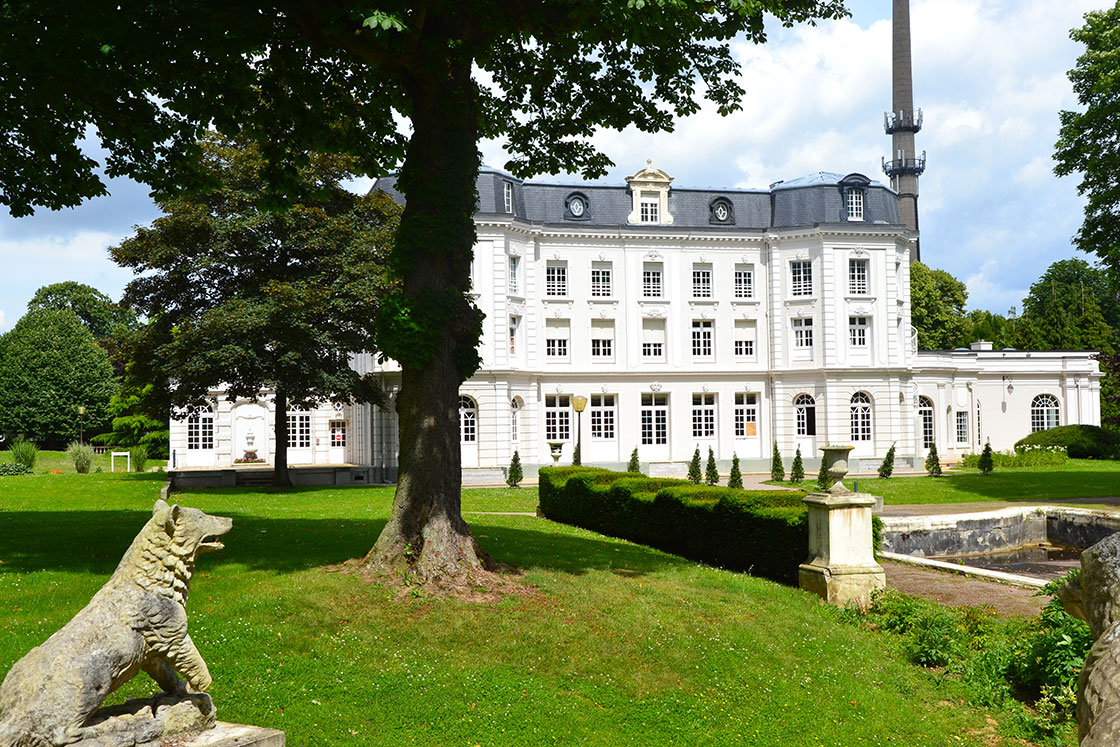
Around 1770, Stanislas, director of the Compagnie d'Anzin and grandson of Jacques (discoverer of coal), built a sumptuous house with the profits he derives from the coal business. Neoclassical in style and massive in its appearance, the castle stands out without doubt and is surrounded by a vast park: aviary, hunting lodge, garden bridge and water mirrors make up the whole complex. Not far from the castle, an artificial island is surmounted by a temple of love built in 1777.
Coron of 120 Housing Estate
in
#Anzin
at
Coron des 120
This development was incredibly modern for its day. It was submitted for the Universal Exhibition of 1867 focused on the theme of the social economy by the Compagnie des Mines d’Anzin and won a silver medal. The coron (mining housing estate) runs for more than 250 m between Anzin and Valenciennes. It includes 120 houses in six parallel blocks. Each block is comprised of 20 homes built back-to-back.
Dampierre Castle
in
#Anzin
at
25 Rue Berthelot
This small "industrialist’s manor house" built in the late 19th century was part of the estate belonging to the Compagnie des Mines d’Anzin (founded in 1757). It is the only remaining example of a series of wealthy homes built in Anzin to house the mine managers. It amply illustrates the richness and diversity of the architectural heritage dating from the mining era.
Sabatier Pit
in
#Raismes
at
Domaine De Saint-Amand-les-Eaux
#
Wells 1 and 2 are started in July 1910, the pit began to mine in 1913, but it was destroyed during the First World War. Rebuilt similar to the Agache pit, it begins to extract the October 16, 1920 and quickly becomes very productive, despite the numerous inflows of water which hinder the smooth running of the works. That of May 25, 1925 stops mining in most work sites.
Church of Sainte-Cecile
in
#Raismes
at
24 Rue Thiers
#
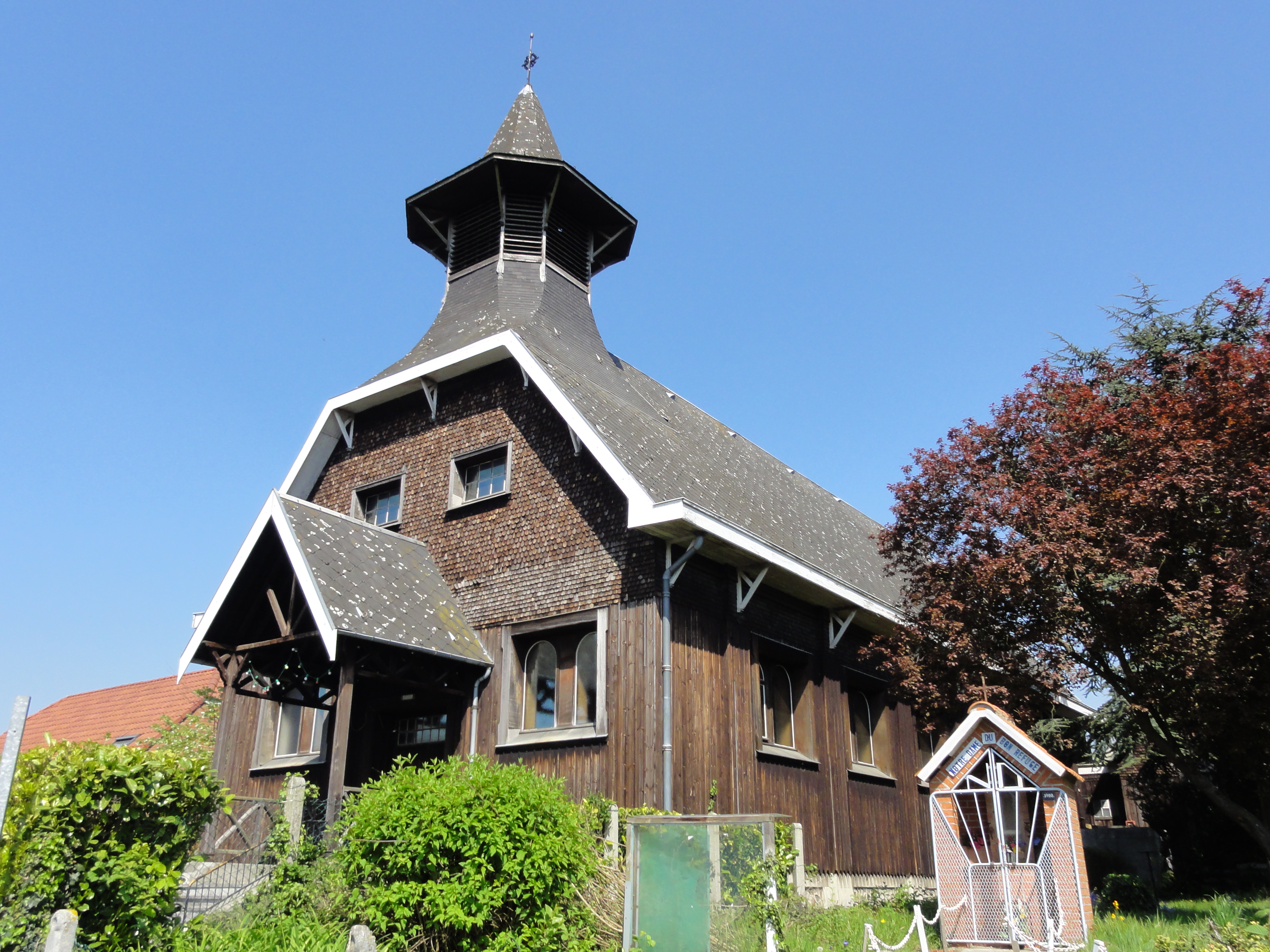
The small wooden church was built by Polish miners in 1924 in a style reminiscent of their country of origin, like the small roofed ordeal on the right.
Shore Housing Estate
in
#Bruay-sur-l'Escaut
at
Cite du Rivage, Rue A
Garden city.
Rousseau slag heap
in
#Raismes
at
145 Rue Leopold Dussart
#
This site is a conical slag heap, now characterized by its ecological redevelopment, with scenic views over the forest.
#Fresnes-sur-Escaut
Ancient Soult suburban town
in
#Fresnes-sur-Escaut
at
Rue Vieille Cite Soult
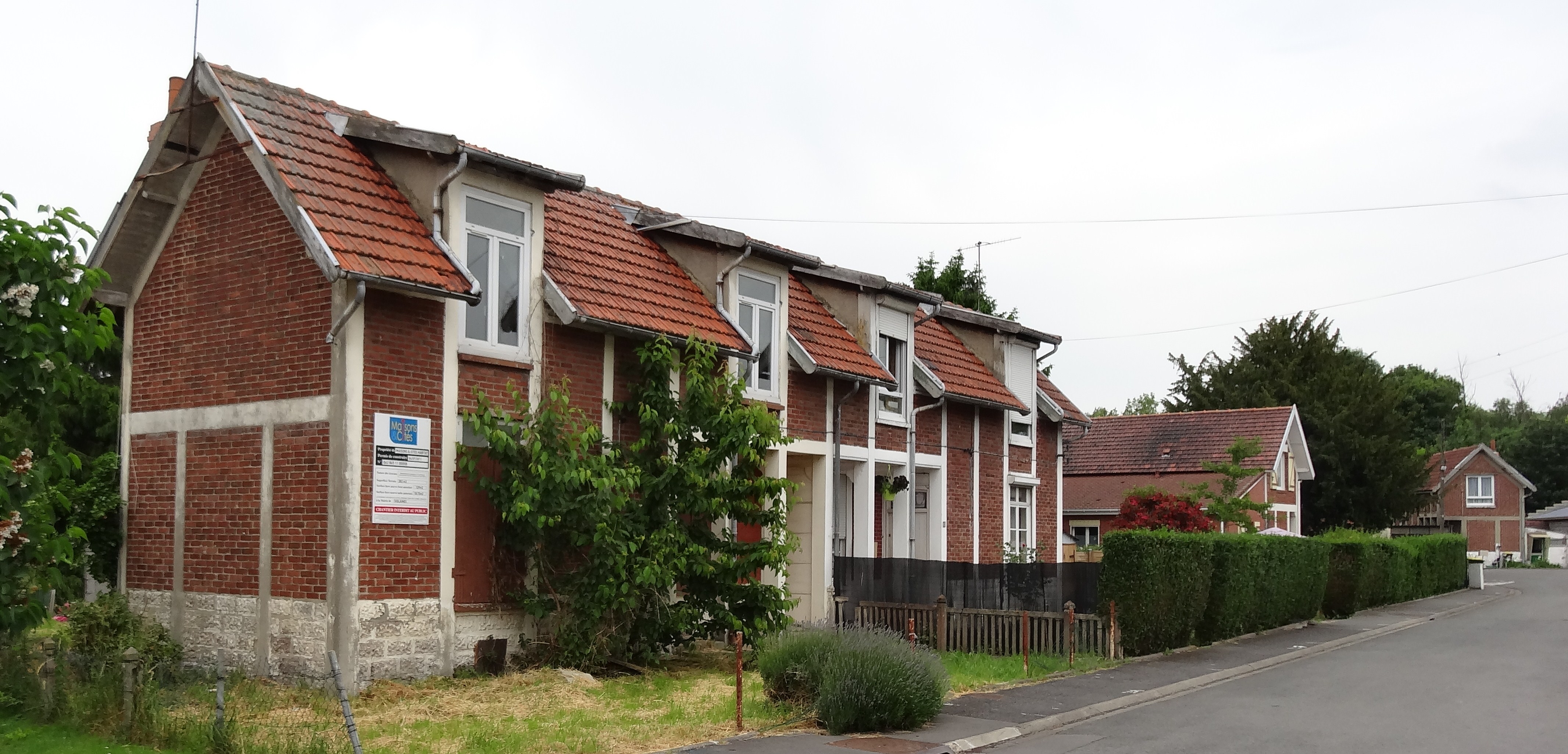
An exceptional city built by the Thivencelles Mining Company in 1873, it is one of the very first suburban housing estates in the Mining Basin and thus testifies to the transition between the Coron model and the suburban city. Composed of ten pavilions, each grouping four dwellings, its architecture uses a neo-classical language, the only motive of which is that of construction materials: brick and slate. Doors and windows are thus heightened with curved lintels and brick strips highlight the cornices and the levels of the floors. Each facade is pierced with a bull's-eye.
Soult No.1 pit of the Thivencelle mine
in
#Fresnes-sur-Escaut
at
308 Rue de la Paix
#
Preliminary work begins on September 18 , 1838 and sinking started in 1839 . The pit was put into service the following year.
Thivencelle Company haedquarters
in
#Fresnes-sur-Escaut
at
rue Zamenhof
This building was built at the beginning of the 20th century, near the Soult wells, on the right bank of the Scheldt. It was originally the Grand Offices of the Compagnie des Mines de Thivencelles. After the mines closed, this building served as an SSMA (Societe de Secours des Mines d'Anzin) dispensary.
Douaniers Castle
in
#Fresnes-sur-Escaut
at
308 Rue Leon Gambetta
The Chateau des Douaniers is a large house located in Trieu de Fresnes at the corner of rue Gambetta and rue des Cordiers. Built in 1760, it was originally the country house of the Desandrouin family (Jean-Jacques 1682-1761) (Jean-Marie Stanislas 1738-1821). In the vicinity were dug several mine shafts. The Saint Mathieu well, drilled in the grounds of the property, operated from 1777 to 1804.
Anzin Mines Memorial
in
#Fresnes-sur-Escaut
at
Place Henri Barbusse
#
Site is formed by the coal discovery monument February 3, 1720 in Fresnes-sur-Escaut . The discovery took place a few hundred meters northwest at the Jeanne Colard pit , opened by the Desaubois Society in 1718.
Sarteau Pit
in
#Fresnes-sur-Escaut
at
Le Sarteau
In reality this remarkable building erected from 1826 in the town of Fresnes-sur-Escaut, is nothing other than a "fire machine" ensuring the dewatering, that is to say the evacuation of the water seeping into the mine galleries. As such, it is a unique witness in the region, of the ceaseless struggle that the miners waged against the waters and the illustration of the very high technology used by the Compagnie des Mines d'Anzin.
#Vieux-Conde / Conde-sur-l'Escaut section
Taffin garden city
in
#Vieux-Conde
at
Rue des Glycines
This city, which today constitutes an interesting example of a sustainable and attractive district in the heart of Vieux-Conde, is located on the site of the park of the Taffin family's castle, destroyed at the end of the First World War by a violent fire. In 1921, the Anzin Mining Company, then owner of these lands, decided to create a city there to house its workers coming from various backgrounds. This garden city is representative of the architectural style of the Compagnie des mines d'Anzin.
Pond of Amaury
in
#Vieux-Conde
at
Rue Saïda Monseu
The lake began to form in 1972 with a subsidence of mining . This mining activity started in 1834 under the impetus of the Compagnie des mines d'Anzin.
Sophie pit
in
#Hergnies
at
71 Rue Durafour
#
The pit was started on June 22 , 1835 and began mining in 1837 . It is stopped at the extraction on September 20 , 1861 and the well is backfilled in August 1867.
Solitude Housing Estate
in
#Vieux-Conde
at
rue de la Liberation
Built in 1924, this city is representative of the style and model of the garden city of Anzin Mining Company. The city is characterized by a curved road and houses of two or three homes. From the architectural point of view, the facades offer very varied compositions of red, white and turquoise bricks, typical of the "Anzin" style. The structural elements, doors and windows, are thus particularly highlighted.
Hermitage Castle
in
#Conde-sur-l'Escaut
at
route de Bonsecours
The Chateau de l’Hermitage was built between 1786 and 1789 by the architect Chaussard for Prince Anne-Emmanuel de Croÿ whose wealth significantly increased after the discovery and mining of coal on his land. Situated in Bonsecours-Conde forest, this majestic neoclassical stately home is synonymous with the early mining period as it was here that on November 19th, 1757, the deed of incorporation of the Compagnies des Mines d’Anzin was signed.
City of acacias
in
#Conde-sur-l'Escaut
at
rue Tournesol
Completed in 1923 by the Compagnie des Mines d’Anzin, the Acacias garden-estate covered a total of 12 hectares bordering the Chabaud-Latour pools and the former Ledoux pit. It is comprised of semi-detached houses surrounded by private gardens enclosed by hedges.
Ledoux Pit
in
#Conde-sur-l'Escaut
at
Dreve Felix Szpruta
#
Work on the new headquarters began in October 1900. The wells were dug by the freezing process, the first was started on July 6 , 1901 , the second one June 2 , 1902 . The Ledoux pit begins to produce the July 16, 1905.
Chabaud-Latour subsidence ponds
in
#Conde-sur-l'Escaut
at
rue Henri Martrice
#
It is part of a complex of semi-natural environments of around 250 hectares where the "Canarderie marshes and Chabaud-Latour pond" constitute a complex of around 150 hectares wetlands at the top of the Scheldt basin.










.JPG)