#Karlskrona UNESCO world heritage sites
#Karlskrona west
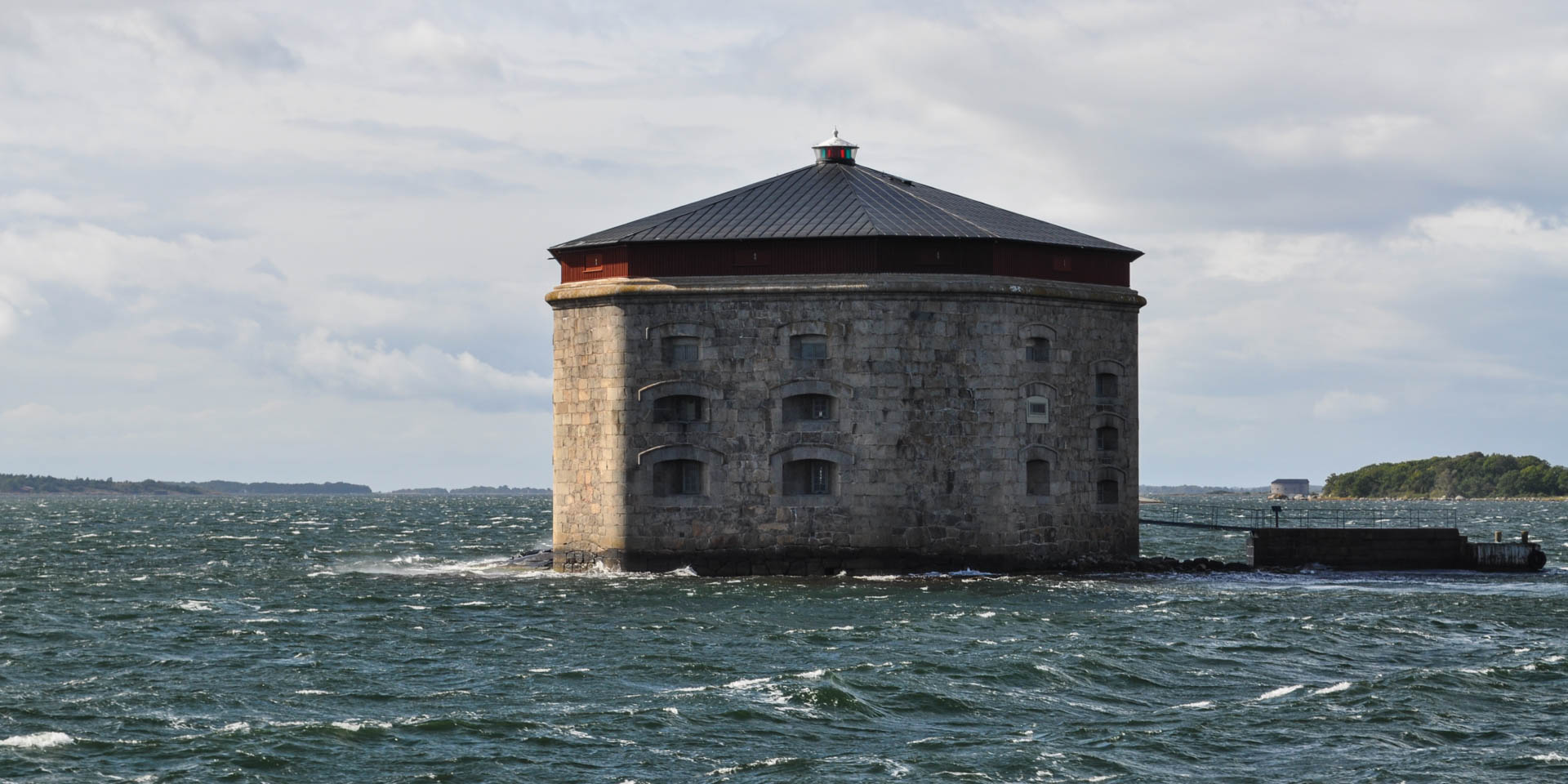
#Kurrholmens Fortress
on
#
Drottningskar
#
Karlskrona is an exceptionally well preserved example of a European planned naval town, which incorporates elements derived from earlier establishments in other countries and which was in its turn to serve as the model for subsequent towns with similar functions.
#Drottningskar Castle
at
#
Kastellvagen 15, Drottningskar
#
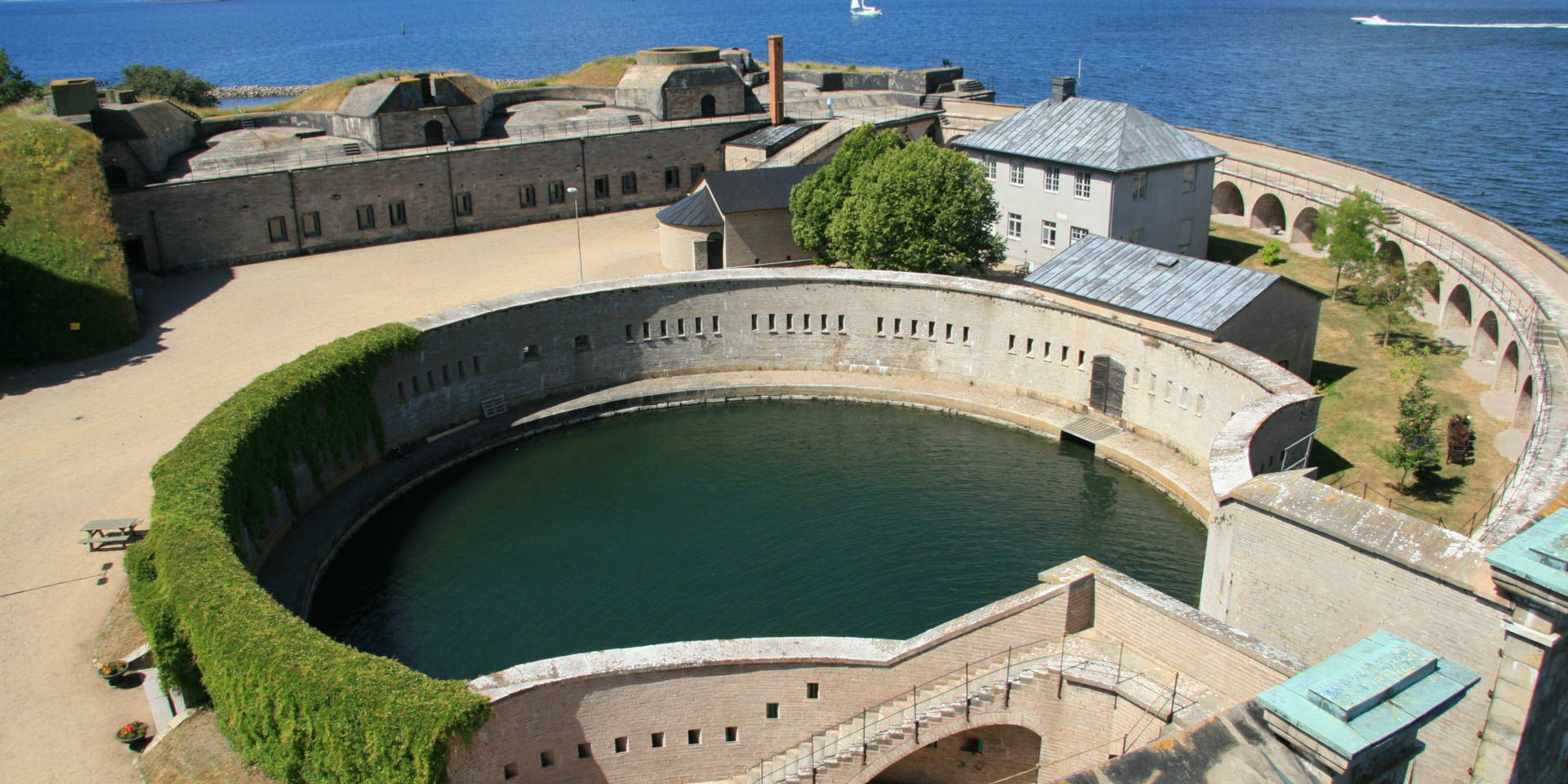
A massive granite donjon houses the artillery, magazine and living quarters and the citadel's four bastions, Maria, Christina, Hedvig and Ulrica are all named after Queens of Sweden. At various periods from 1710 until 1811 the citadel was on a war footing with, at its height, a 250-strong garrison.
#Island of Trosso
on
Stortorget
#
The city of Karlskrona is spread over 30 islands, the main one being Trosso where the city center is located. Landmarks on Trosso include the Karlskrona naval base and Stortorget, the large town square situated in the centre of the island at its highest point. The two churches in the square, Trefaldighetskyrkan and Amiralitetskyrkan, were both designed by Nicodemus Tessin the Younger, with features such as burnt orange stucco and colonnades made of grey stone.
#Ljungskar Powder Magazine
on
#
Krutholmskajen
#
The gunpowder magazines build in granit, Borgmastarfjarden - Vastra kruthuset, Karlskrona.
#Skarva Herrgard Farmhouse
at
#
Skarva 2
#
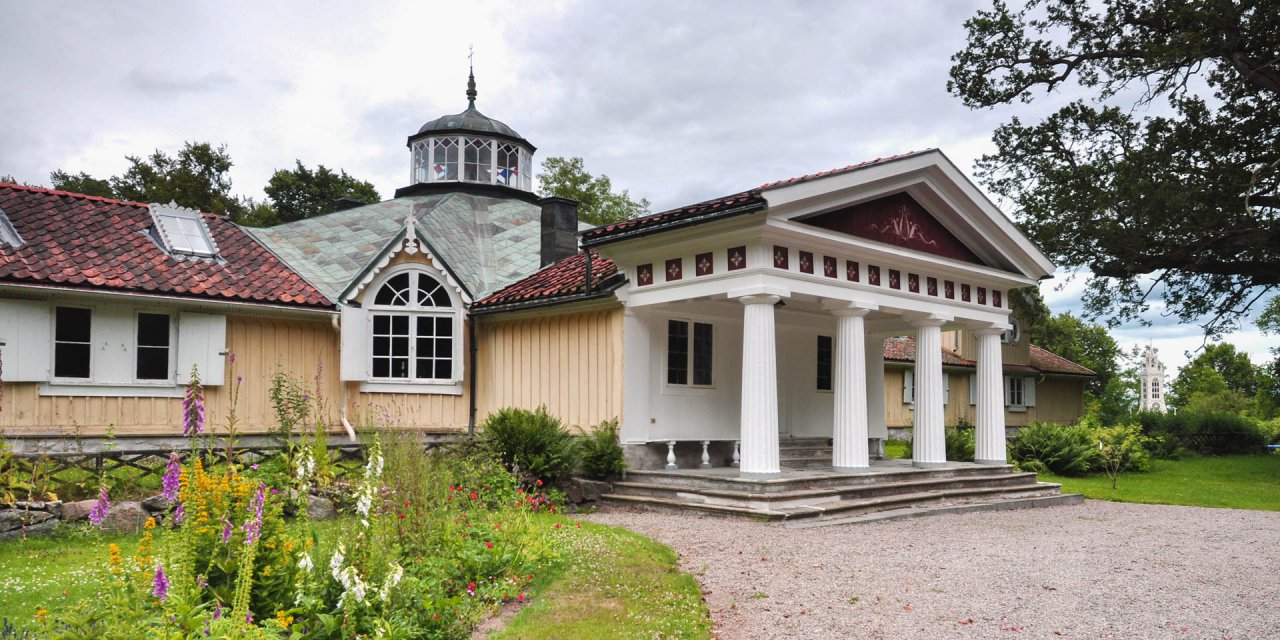
The building was completed in 1786 as a farmhouse or southern Swedish cottage with red-tailed walls and peat roofs. Later, Chapman was able to rebuild the cottage to its present original look with classicist features. For the entrance, a tight portico with four doric columns carries a pediment and the house has been described as a crossing of Greek temple, Italian dome church and an Blekinge log cabin.
#Karlskrona east
#Goodnight Fortress Tower
on
#
Lindholmen
#
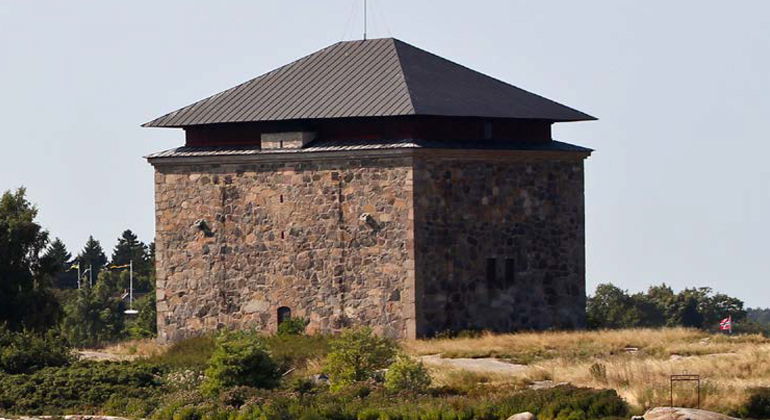
The fortified tower with the soothing name God Natt (Good night) was built from 1857 to 1863 for military security of the port entrance.
#Koholmen Powder Magazine
on
#
Bastionsgatan
#
Karlskrona is an exceptionally well preserved example of a European planned naval town, which incorporates elements derived from earlier establishments in other countries and which was in its turn to serve as the model for subsequent towns with similar functions.
#Bastion Kungshall
at
Bastionsgatan 28
See above.
#Mjolnarholmen Powder Magazine
on
Saltsjobadsvagen
See above.
#Crown Mill
at
Riksvagen 49, Lyckeby
See above.
#Kungsholm Fortress
on
#Tjurkovagen, Tjurko
#
Kungsholms Fort was built 1680 when Karlskrona was founded. It was an important part of the outer defense ring to protect the naval base. Kungsholms Fort and Drottningskärs Kastell protected the approximately 1.2 kilometer-wide shipping channel to Karlskrona.