#Hue UNESCO world heritage sites
#Hue itinerary 1
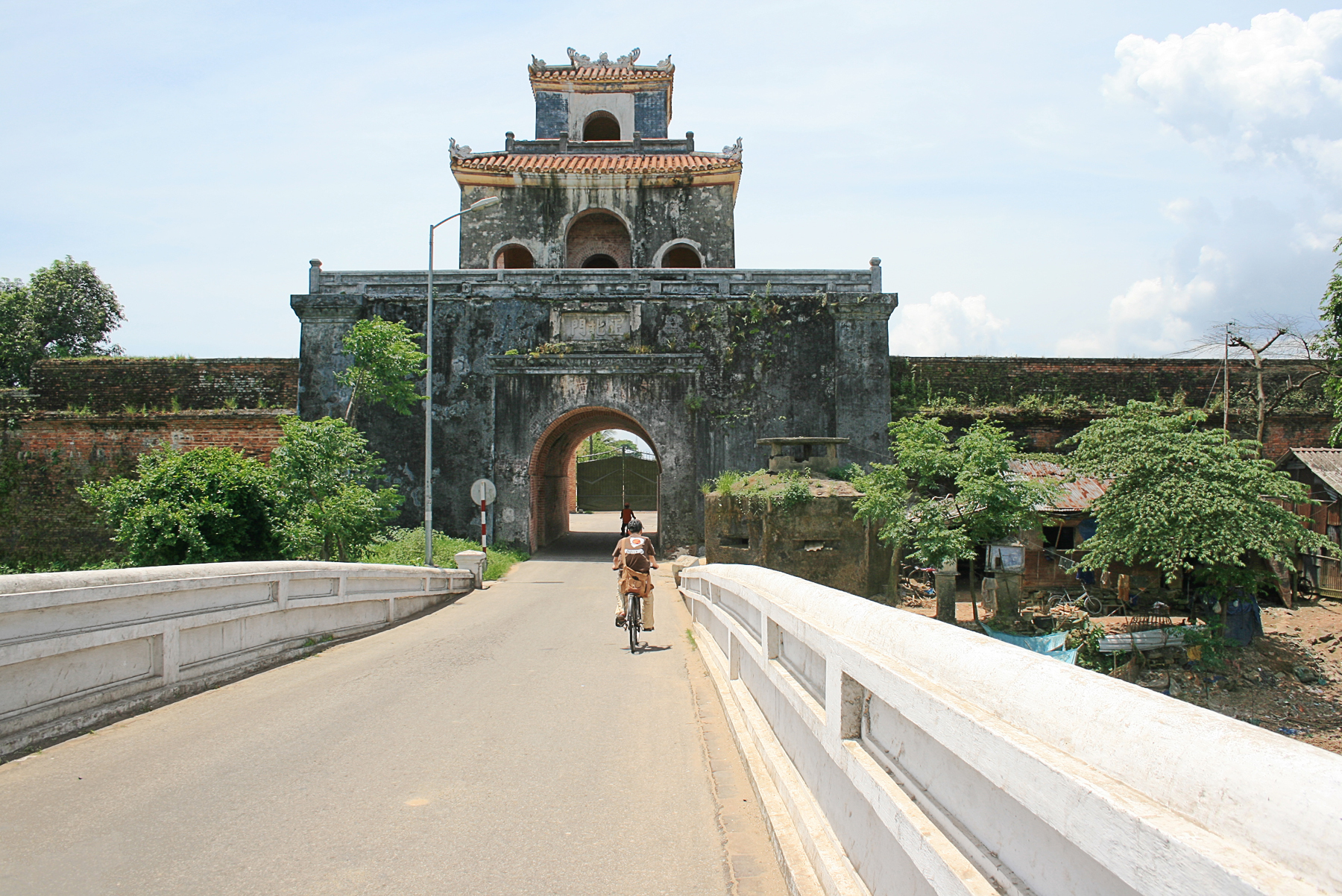
#Tran Bình Mon (Đon Mang Ca)
at
#
Xuan 68, Thuan Loc
#
The fortress follows the French military engineer Vauban's typical layout, and has 21 canon emplacements.
#Imperial City
at
#Thanh pho Hue
#
Out of 160 buildings only 10 major sites remain because of the battle, such as the Thai Hoa and Can Thanh temples, The Mieu, and Hien Lam Cac.
#Thien Mu Pagoda
at
#
Hương Hoa
#
Its design follows an “I-shaped” straight-line layout where major structures align on a central axis, embodying traditional Vietnamese Buddhist aesthetics through red-tiled roofs, intricate wood carvings, and ornate gates.
#Temple of Letters and Temple of Military
at
#
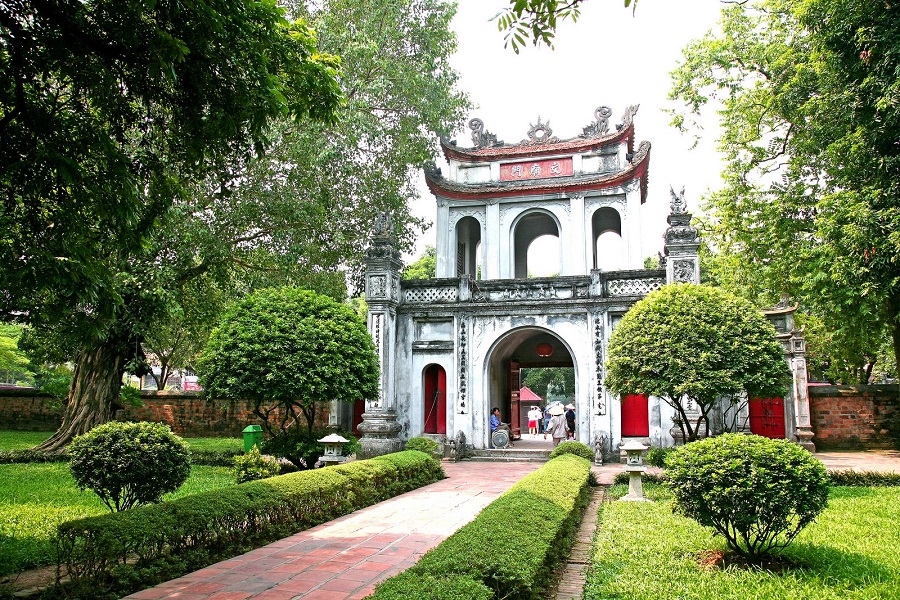
72 Đưong Van Thanh
#
Surrounded by old trees and traditional architecture, the site reflects the Confucian philosophy that once strongly influenced Vietnam’s royal court and examination system.
#Hon Chen Temple
at
#Huyen Tran Cong Chua, Hương Thọ
#
Hon Chen Temple is situated at a lovely site seated on the slope of the mountain Ngoc Tran (Jade - cup) with sheer cliff and mirroring in the deep blue water of the Perfume River.
#Minh Mang Tomb
at
#QL49, Hương Thọ
#
The tomb also functioned as a link between this life and the next, and thus Minh Mang’s burial site was arranged in the shape of a womb, representing Mother Earth and rebirth in heaven.
#Gia Long Tomb
at
#Hương Thọ, Hương Tra
#
The tomb is a group of tombs and was well known for its beauty. The tomb originally had a main complex that formed by the double-grave tomb of the emperor and empress Thừa Thiên in the center; Minh Thanh Temple, the dedicated temple of Gia Long and Thừa Thiên in the right, and the monument of Gia Long in the left.
#Hue itinerary 2
#Đien Voi Re
at
#Ngo Ha, Thuy Bieu
#
The temple dedicated to legendary loyal elephant which grieved the death of its master who was killed in a battle and died of exhaustion. A special religious monument was built not only to esteem the value of loyalty of elephant toward its master but also to reflect humanity and friendship of local people.
#Tu Duc Tomb
at
#17/69 Le Ngo Cat, Thuy Xuan
#
A glance at the tomb, you can create the illusion of a scenic park, packed with lakes, hills, pavilions amidst the lushness of frangipani trees and grove of pines.
#Tomb Of Dong Khanh
at
#8 Đoan Nhu Hai, Thuy Xuan
#
The worship area has a sacred altar area facing the Southeast, with bold ancient architectural features. The main hall and the outbuildings look splendid because they are painted with gilded vermilion.
#Tomb of King Thieu Tri
at
#Thuy Bang, Hương Thuy
#
Located in a tranquil area, the Tomb of King Thieu Tri has always been a destination rich in historical values. With its eccentric mausoleum architecture, sophisticated and harmonious carvings, it attracts a large number of tourists every year.
#Royal Tomb of Khai Dinh King
at
#Thuy Bang, Hương Thuy
#
The interior of the palace "is an explosion of color with lavish embellishments throughout." The ceiling is decorated with nine intricate dragons, originally painted by royal painter Phan Văn Tánh,[4] and its walls feature intricately designed glass and porcelain decorations.
#Nam Giao Esplanade
at
#Trưong An
#
The Esplanade of Sacrifice to the Heaven and Earth is an imperial altar situated south of the city of Huế, central Vietnam. It also known as the Nam Giao altar. It is dedicated to the heaven and earth.
#Tomb of Dục Đuc
at
#Duy Tan, An Cựu
#
Long An temple was built in 1899 and houses funerary tablets for Duc Duc and his imperial progeny. The grave enclosure features a single stele pavilion in traditional style fronted by a three-tiered triple gate—perhaps the most visually arresting of the tomb's various monuments.