#Nagasaki UNESCO world heritage sites
#Nagasaki city
#Kosuge ship repairing dock
on
#Kosugemachi
#
It is a consist of three parts, a gridiron deck, a brick machine room, and a hoist which is made by the UK.
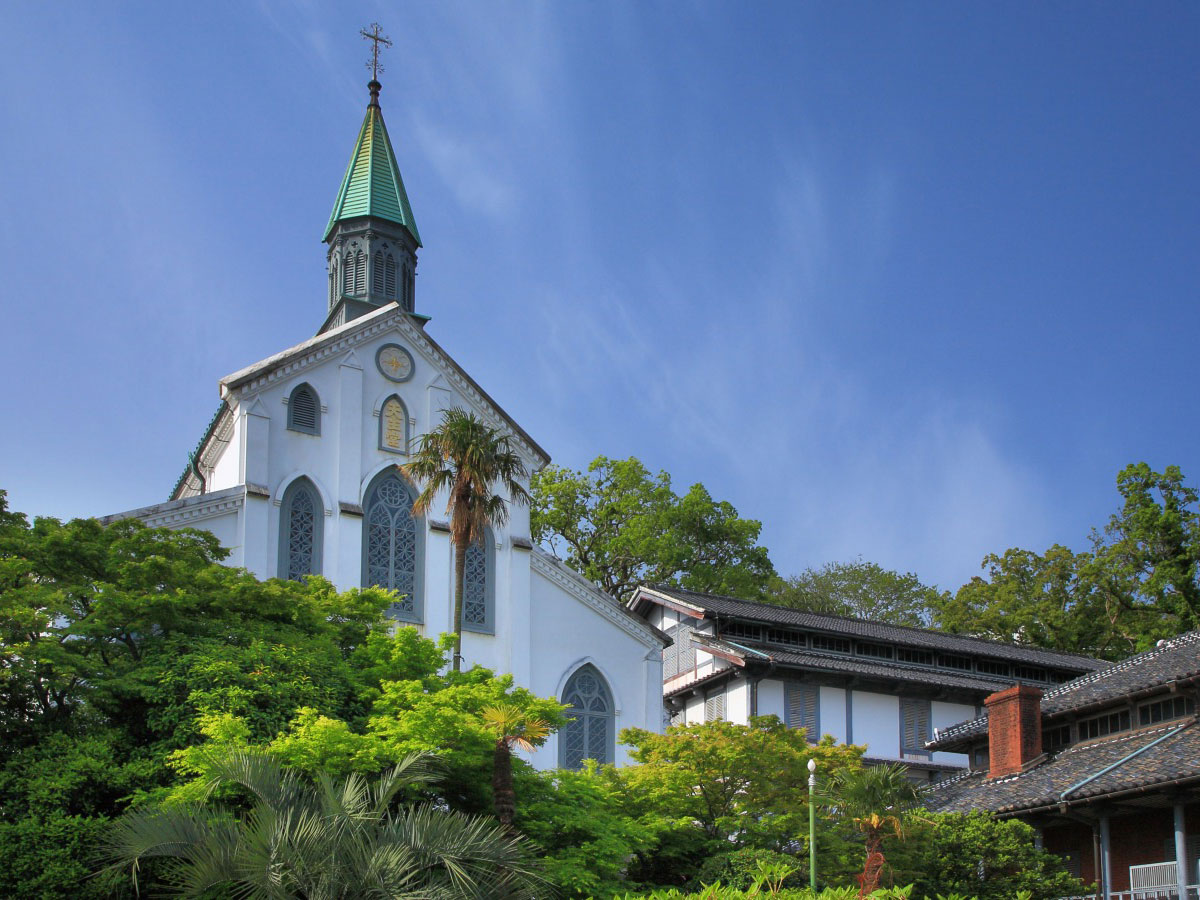
#Oura Church# ***
at
#2633 Nishishitsumachi
#
It is also known as the Church of the 26 Japanese Martyrs. It was for many years the only Western-style building declared a national treasure, and is said to be the oldest church in Japan.
#Glover Garden
at
#Minamiyamatemachi, 8
#
The main attraction of the garden is the Former Glover House, the oldest Western-style wooden building in Japan. Thomas Glover (1838-1911) was a Scottish merchant who moved to Nagasaki after the opening of its port to foreign trade in 1859.
#Giant cantilever crane
at
#1-1 Akunouramachi
#
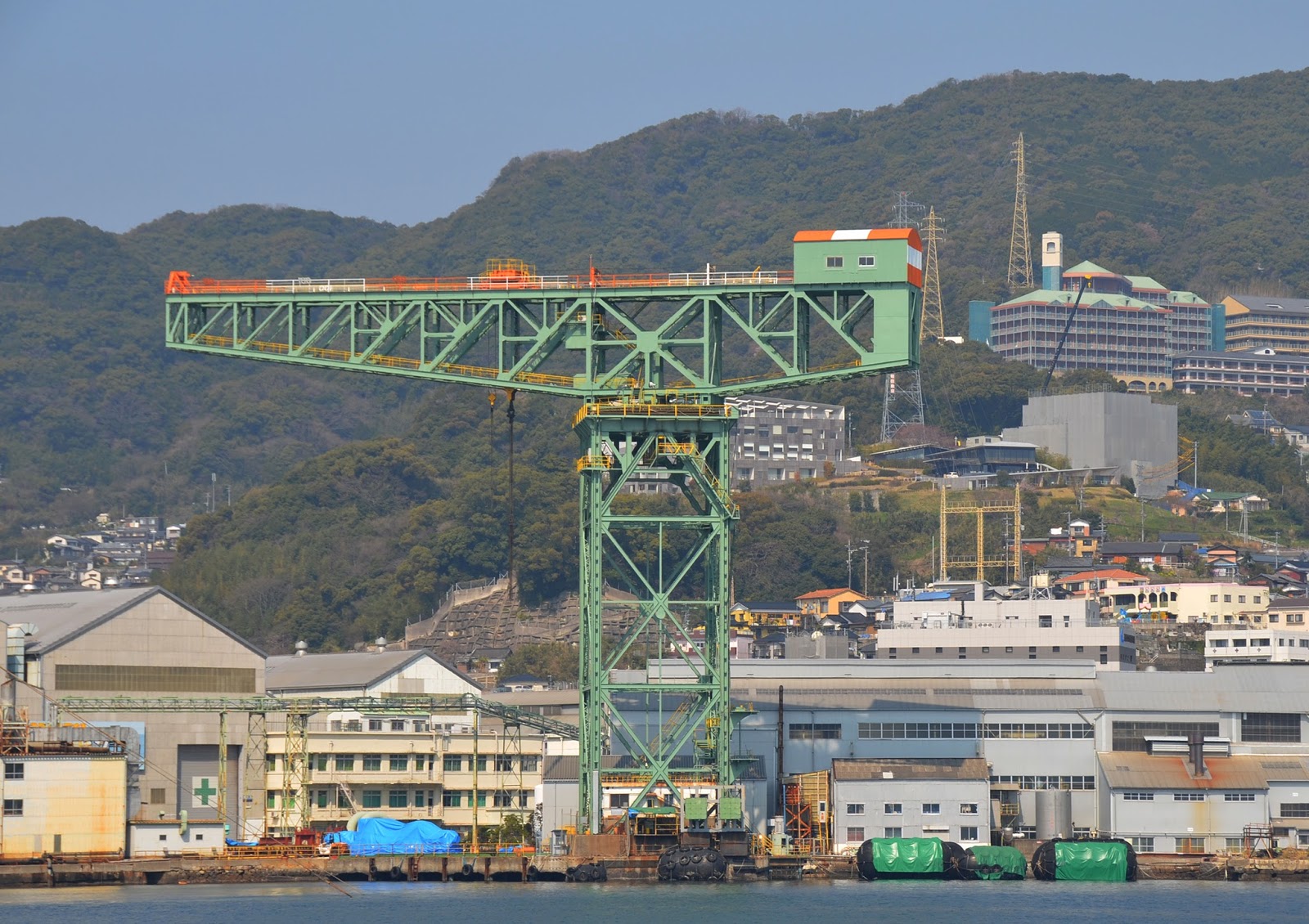
The giant cantilever crane, which was produced by UK-based Appleby, was the first as well as the newest electric crane installed in Japan at that time. With a lifting capacity of 150 tons, the electric motor-powered crane can support the weight of large heavy machinery. UK-based Motherwell transported after temporary assembly and dismantlement, and reassembled and completed in the Akunoura Pier of Nagasaki Shipyard in 1909.
#Mitsubishi Heavy Industries Historical Museum
at
#1 Akunouramachi
#
Nagasaki Shipyard & Machinery Works was established in 1857 as Japan's first warship repair facility, under the name, Nagasaki Yotetsusho Foundry.
#Senshokaku Guest House
at
#Iwasedomachi 1-1
#
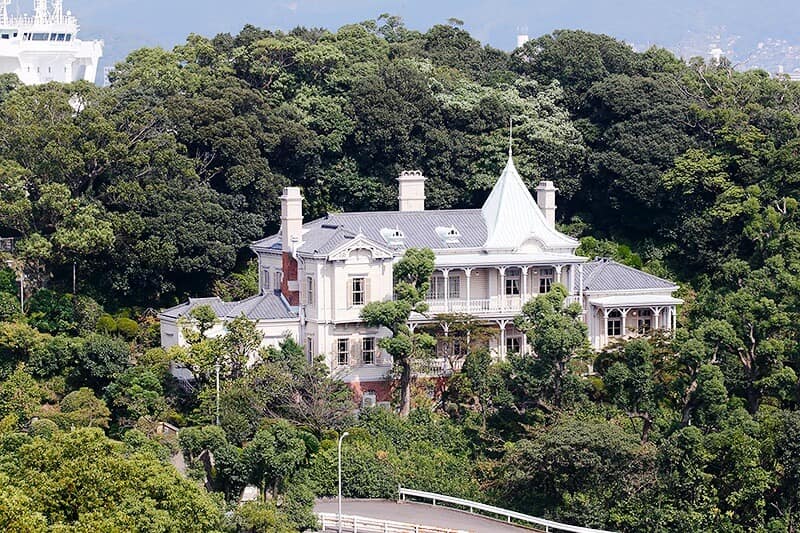
A modern Japanese-designed Western building that is still used as a guesthouse today.
#Nagasaki islands
#Takashima Coal Mine
at
#Takashimamachi
#
As a notable instance of British investment in protectionist Meiji Japan, the history of the Takashima coal mine well illustrates the complications of foreign capital commitments in the Far East during the nineteenth century.
#Hashima Coal Mine
at
#Hashima Island
#
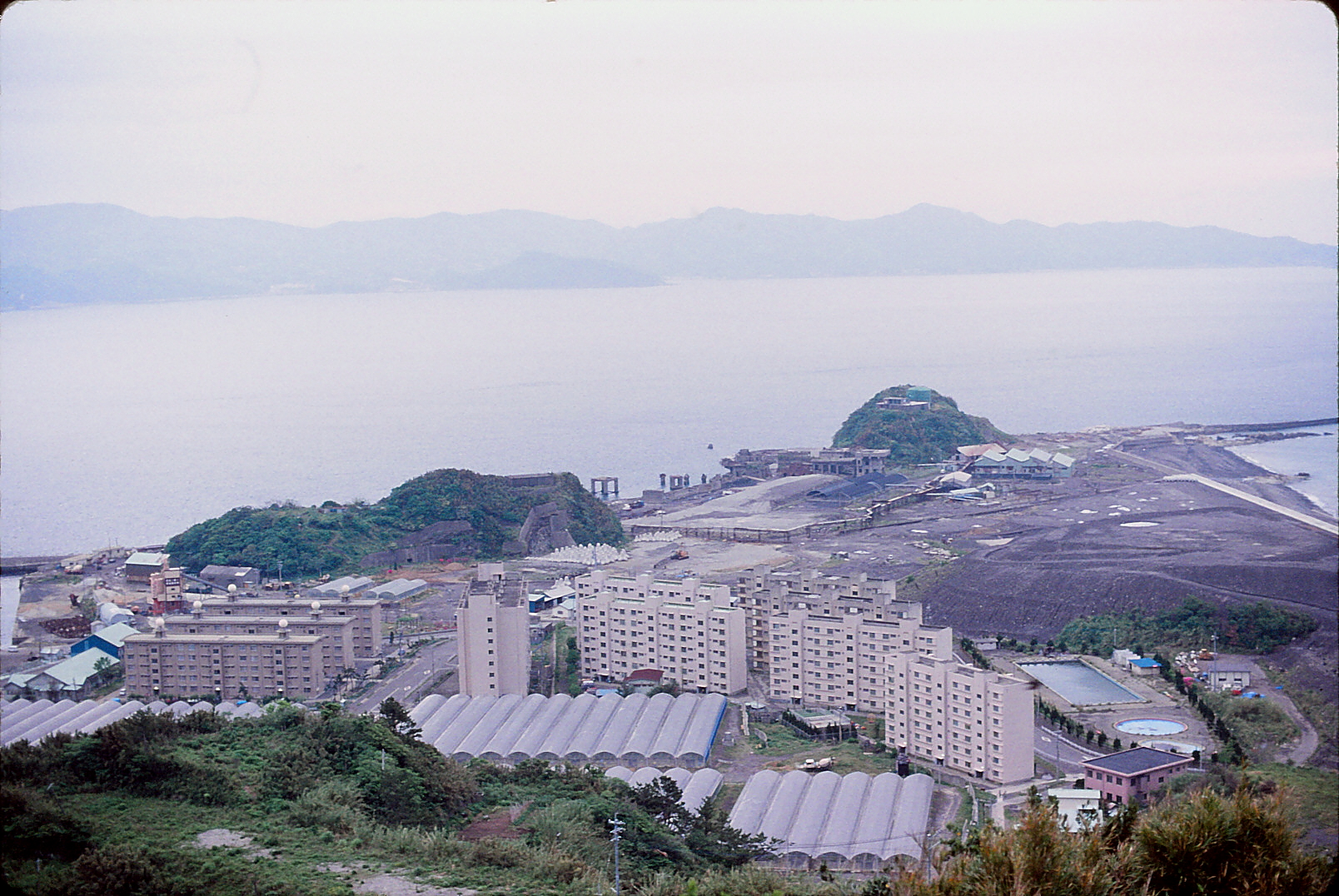
The island's most notable features are its abandoned concrete buildings, undisturbed except by nature, and the surrounding sea wall. While the island is a symbol of the rapid industrialization of Japan, it is also a reminder of its history as a site of forced labor prior to and during the Second World War.